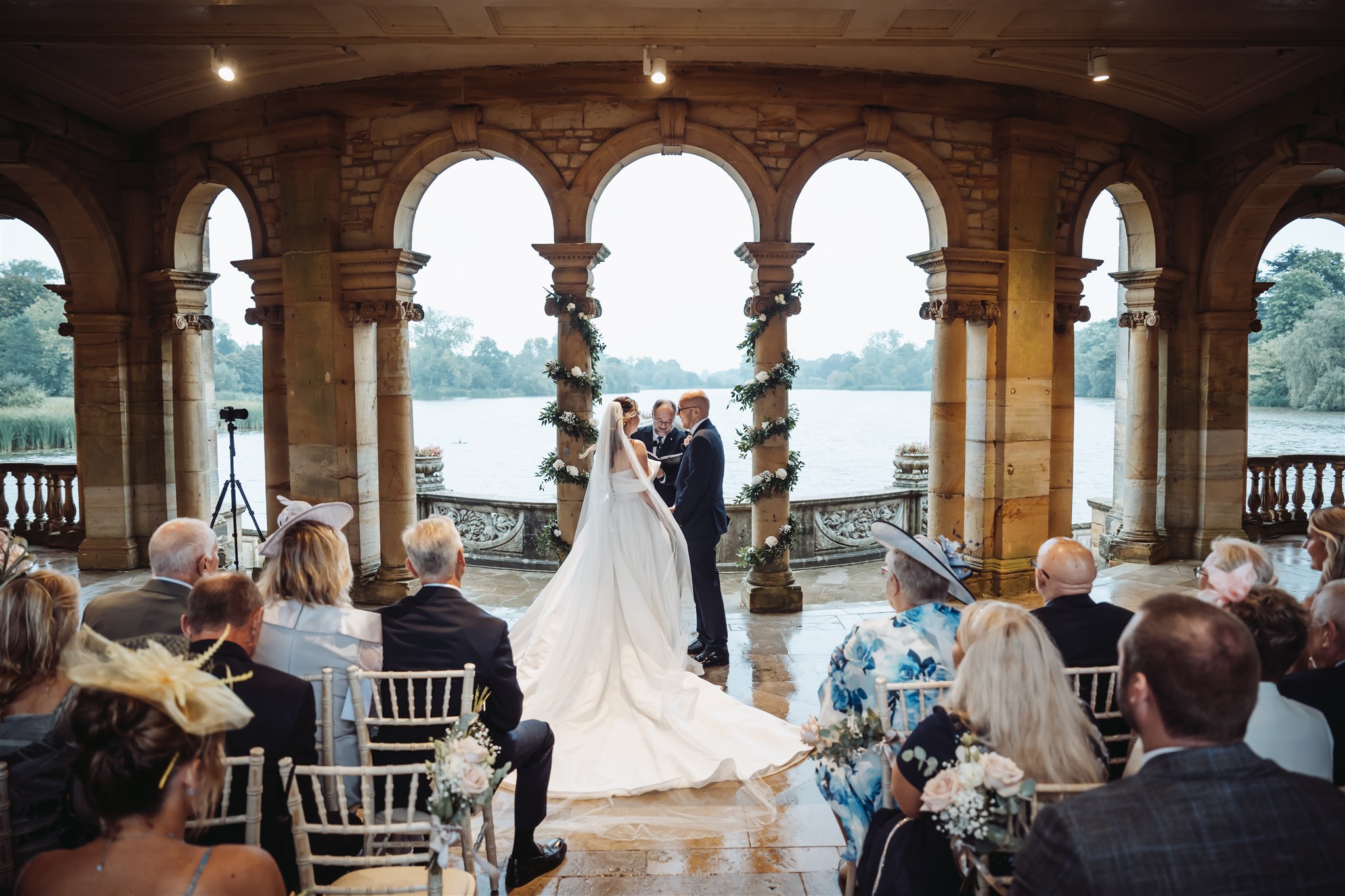
There is a particular kind of hush that falls before a ceremony begins: the doors open, a parent takes a breath, and two people see each other at the end of an aisle. Wedding photography etiquette exists to protect that feeling. It is not about making a celebration stiff or overly managed. It is about giving the couple space to experience their wedding as it unfolds, while their chosen photographer preserves the beauty, emotion and atmosphere they have worked so carefully to create.
For guests, a few thoughtful choices can make an extraordinary difference. For couples, setting expectations with warmth can ensure the day feels present, personal and entirely your own.
Why wedding photography etiquette matters
A wedding is not a content shoot. It is a gathering of people who have been invited to witness a love story in real time. When mobile phones rise during the vows, or someone steps into the aisle for a closer angle, that shared experience can quietly shift. The couple may see screens rather than faces. The photographs may capture a beautiful moment interrupted by devices, distracted expressions or guests leaning into view.
A professional photographer is there to anticipate these fleeting moments with care and discretion. They understand the rhythm of a ceremony, the changing light, family dynamics and the details that make a celebration distinct. More importantly, they can document it without asking the couple to relive it through a screen.
This is especially true at elegant country house weddings, London celebrations and destination weekends, where the setting has been chosen as part of the visual story. A clear aisle, an undisturbed confetti walk and a candlelit dinner room allowed to glow naturally all contribute to photographs that feel timeless rather than timestamped.
The ceremony: be fully there
The ceremony is the moment when wedding photography etiquette matters most. Put your mobile phone away before the processional begins, silence it completely and resist the temptation to take a quick photograph from your seat. Even a single raised mobile phone can appear in the most meaningful frames.
If the couple has asked for an unplugged ceremony, honour it without exception. This is not a rejection of guests sharing in the day. It is an invitation to be more deeply present. Watch the entrance with your own eyes. Notice the expression on the groom’s face, the squeeze of a hand, the laughter that follows an unexpected line in a reading. Those are memories that do not need a camera roll to endure.
There are exceptions, of course. Some couples genuinely welcome guests to take photographs and share them. If that is the case, do so from your place, with no flash and without moving into aisles, doorways or the front of the ceremony. Think of yourself as a guest first, and a photographer a very distant second.
Keep clear of the aisle and key sightlines
During entrances, vows, rings and the first kiss, photographers and videographers need a clean route and a clear view. Avoid stepping out for a better angle, even briefly. The interruption may only last seconds, but the moment itself cannot be repeated with the same emotion.
The same principle applies to exits. As the newly married couple walk through confetti, stay behind the line indicated by the planner or photographer. Throw generously, look towards the couple and save your own mobile phone for later. The most joyful images come from guests who are laughing, cheering and truly participating, not checking whether they captured it.
At the reception: photograph the feeling, not every detail
After the ceremony, the atmosphere becomes more relaxed. Guests are often keen to capture the florals, place settings, champagne tower or a particularly beautiful view. A respectful photograph or two is usually no issue, provided it does not delay the schedule or disrupt the work already underway.
The crucial distinction is between noticing a detail and taking over a space. If a photographer is styling the stationery, cake or tablescape, allow them room to work. These images are created with intention, often in a small window before guests are seated or the light changes. Moving place cards, shifting candles or rearranging flowers for your own picture can leave the couple’s carefully planned design looking incomplete.
When the room is ready, take it in before reaching for your mobile phone. The scent of the flowers, the candlelight, the sound of glasses being poured – these are part of the memory too.
Do not use flash
Flash photography can be intrusive during speeches, first dances and evening celebrations. It changes the ambience of a carefully lit room and can interrupt both the professional imagery and the experience of everyone around you.
If you choose to take a photograph later in the evening, use available light and be discreet. Better still, ask the couple afterwards if they would enjoy receiving your candid images. A handful of spontaneous, personal photographs can be a lovely addition to their memories, particularly when shared privately rather than posted before they have had the chance to see the professional preview.
Posting on social media with sensitivity
A wedding is a public celebration, but that does not necessarily mean every moment is for public viewing. Before posting, consider whether the couple has shared a preference. Some will have a wedding hashtag and would love guests to use it. Others may ask everyone to wait until the following day, or until they have announced the marriage themselves.
This is particularly worth remembering during destination weddings or more intimate celebrations, where not every loved one may know the plans. Posting a ceremony image in the moment can unintentionally take that announcement away from the couple.
Choose images that feel generous and flattering. Avoid posting close-ups of people eating, emotional moments that feel private, or photographs of children where parents may prefer not to have them shared. Tagging suppliers can be kind, but the couple’s comfort should always come first.
A note for enthusiastic family photographers
Every wedding has someone with a lovely camera and genuine enthusiasm. That energy is welcome when it comes from a place of love, but it needs gentle boundaries. Please do not shadow the professional photographer, recreate their poses behind them or direct the couple while portraits are taking place.
Portrait time is often one of the few pauses the couple has together. It should feel calm, flattering and unhurried, not like a press call. A seasoned photographer will guide them beautifully, balancing refined editorial imagery with natural connection. Giving that process space means the couple can relax into it.
If you are asked to join a group photograph, listen for your name, step in promptly and then return to the celebration. Delays in family photographs have a way of stealing time from the champagne reception, and nobody wants that.
How couples can set the tone gracefully
Good etiquette begins with clear, kind communication. If you would like an unplugged ceremony, include a brief note on your wedding website or invitation details, and ask your celebrant to mention it before the ceremony begins. A beautifully designed sign can help, but a warm announcement is harder to miss.
You do not need to police every guest. Simply make your wishes known, then trust the people around you. If there are particular family members likely to take charge with a camera, a quiet conversation beforehand can prevent awkwardness on the day.
It can also help to tell guests when they will have an opportunity for photographs. For example, let them know they are welcome to take pictures during the drinks reception, or invite them to share candid images after dinner. A little guidance makes it easier for everyone to participate thoughtfully.
The most elegant choice is presence
The finest wedding photographs are rarely made because everyone stood perfectly still. They are made when people forget the camera is there: a grandmother wiping away a tear, friends erupting with laughter during a speech, hands reaching across a dinner table, a dance floor full of unselfconscious joy.
That is the quiet heart of wedding photography etiquette. Make room for the moments rather than trying to capture every one yourself. Be in the frame of the day, not in the way of it. The couple will remember the warmth in the room long after the last song, and the photographs will hold it all with grace.
+ view the comments