The question of a single photographer or second shooter is not really about having more cameras in the room. It is about the pace, scale and emotional texture of your wedding day. The right choice gives you space to be present, knowing the moments you care about are being held with care – from the quiet fastening of a dress to the rush of confetti, candlelight and the first wild minutes on the dance floor.
For some celebrations, one experienced photographer is exactly right. For others, a second photographer brings a wider, richer perspective that could not be created by one person, however talented. Neither option is automatically more luxurious. The most considered choice is the one that suits the shape of your celebration and the story you want your photographs to tell.
What a single photographer can create
A single photographer offers a beautifully cohesive way of documenting a wedding. One creative eye follows the atmosphere as it unfolds, moving naturally between documentary observation and gently directed, editorial portraits. There is a quiet intimacy to this approach. Your gallery feels like a continuous visual narrative, shaped through one recognisable point of view.
For an elegant wedding with a considered timeline, one photographer can cover an extraordinary amount. Bridal preparations in the same location as the ceremony, a guest list of around 80 to 120, and a relaxed drinks reception often create the ideal conditions. There is time to notice the details, anticipate embraces and create refined portraits without making the day feel like a production.
A single-photographer approach is particularly lovely when you value discretion. You may want to forget the camera is there, rather than feel surrounded by a team. An experienced lead photographer knows when to step forward for the moments that matter and when to disappear into the room, allowing the celebration to retain its natural rhythm.
There is also something to be said for creative clarity. When your wedding is intimate, a larger photography presence can be unnecessary. One photographer can create both the grand, cinematic frames and the smaller details: your grandmother’s hand around a champagne glass, the softness of a veil in a window, the glance exchanged across a candlelit table.
When a second shooter changes the story
A second shooter is another professional photographer working alongside your lead photographer. They are not simply there to take duplicates. At their best, they add perspective, coverage and calm to a day with many moving parts.
The clearest reason to add one is simultaneous moments. If you are both getting ready in separate places, a second shooter means each morning can be documented properly. Your partner’s anticipation, the laughter with friends, the final buttoning of a jacket or fastening of cufflinks need not be reduced to a hurried visit or missed altogether.
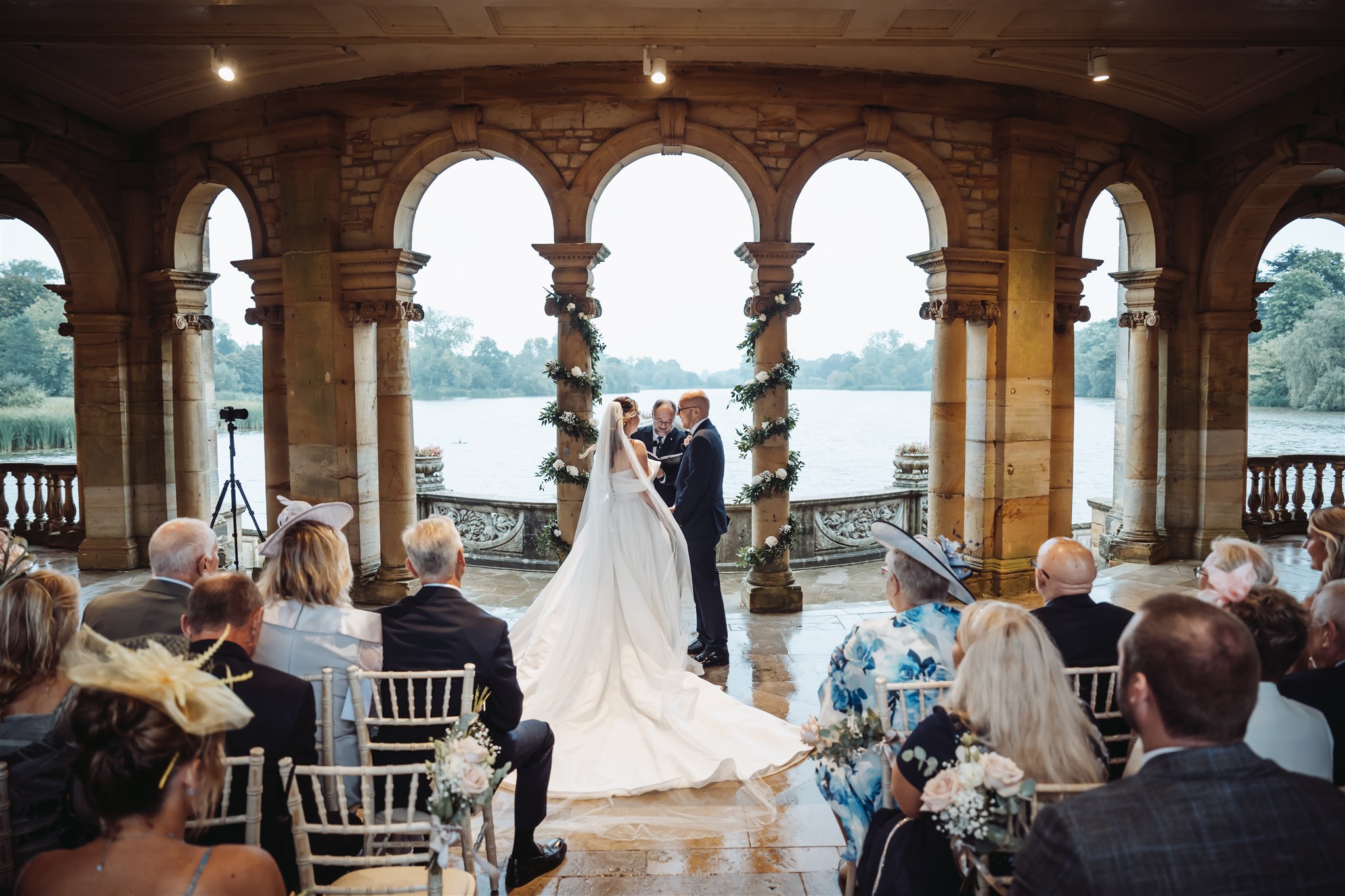
During the ceremony, a second photographer can photograph your entrance and your partner’s reaction at the same time. They may capture the wider architecture of a church, manor house or château while the lead photographer remains close to the emotion. Later, while you are away for portraits, they can continue recording the drinks reception, conversations and beautifully dressed guests enjoying the occasion.
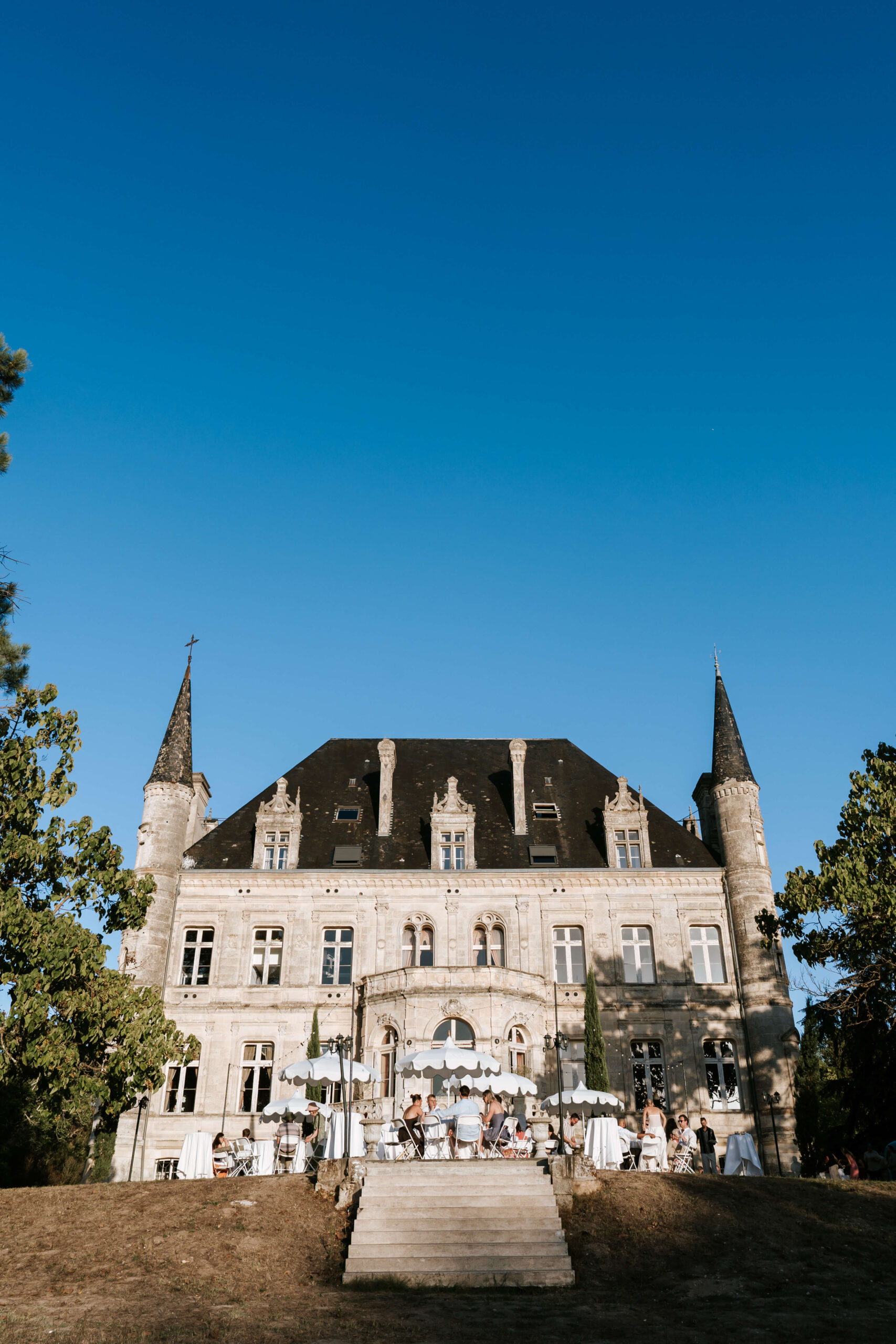
This matters most at weddings with a fuller guest list, expansive grounds, multiple rooms or a fast-moving schedule. At a London celebration where preparations, ceremony and reception unfold across different spaces, or at a destination wedding where every setting has its own character, a second shooter can make the coverage feel more complete without asking you to sacrifice time with the people you love.
The benefit is not simply quantity. It is dimensionality. Your final collection may include the same moment from two emotional angles: your father seeing you before the ceremony, and your own expression as you step towards him; the first kiss seen intimately, alongside the room rising around you. Those layers often become some of the most evocative images in an album.
Single photographer or second shooter: the questions to ask
Start with your timeline, not a general rule. If preparations happen at the same venue and you have allowed a generous, unhurried morning, one photographer may be entirely sufficient. If you are an hour apart, with separate preparations and an early ceremony, a second shooter is usually a thoughtful investment.
Guest numbers are useful, but they are not the whole story. A wedding of 70 people across one country house may be easier to cover than a wedding of 50 spread across a city hotel, ceremony venue and evening party. Think about physical distance, not just the number of chairs at dinner.
Consider the moments that matter personally. Perhaps seeing both sides of the morning is essential to you. Perhaps it is not. Some couples care deeply about natural guest photographs during portraits; others would rather prioritise a quieter, more intimate record of their day. There is no correct answer, only the coverage that feels true to your love story.
It is also worth being honest about your schedule. A second shooter is not a remedy for an impossibly tight timeline. If family photographs, travel, confetti, couple portraits and dinner are all planned within half an hour, no number of photographers can make the day feel spacious. The most beautiful images are often made when there is room to breathe.
The moments a second photographer protects
At a larger wedding, the lead photographer’s attention is necessarily focused on you and the essential story. A second shooter protects the surrounding narrative: the expressions of your closest friends during speeches, a parent taking in the room, children dancing beneath the tables, or the anticipation gathering before you make your entrance.
They are especially valuable during the ceremony and speeches. These are moments that cannot be repeated, and they move quickly. While your lead photographer creates the central emotional image, a second photographer can observe the reactions that make the memory fuller. Years later, those faces may mean as much as the formal moment itself.
Evening coverage can benefit too. One photographer may focus on the energy of the dance floor while the other notices the softer edges of the party: a guest catching their breath outside, a newly married couple stealing a minute together, the glow of a room transformed after dark.
That said, a second photographer should never make the room feel crowded. The right team works with quiet purpose, communicating without disruption and understanding where to stand before the moment arrives. More coverage should still feel elegant.
It is not just an extra pair of hands
A second shooter may help with practical flow, but they are not there as an assistant or a substitute for experience. Their role is photographic: to create considered imagery that complements the lead photographer’s work and respects the visual language of the commission.
For this reason, ask how the photographers work together. A consistent gallery relies on more than matching cameras. It comes from shared standards around light, composition, colour, discretion and the balance between fashion-informed portraiture and honest documentary storytelling. You want a team that knows how to preserve the feeling of the day, not simply increase the image count.
The same is true for film photography. If film is part of the visual direction for your wedding, a second photographer can broaden what is possible, but the approach should remain intentional. Film is at its most romantic when used with discernment, for moments and details that deserve its softness, texture and timeless depth.
Choosing with confidence
If your wedding is intimate, centred in one location and designed with a relaxed rhythm, a single photographer can create a soulful, complete record with remarkable depth. If your day unfolds across several places, includes separate preparations, has a generous guest list or carries many simultaneous moments, a second shooter may give you the freedom to experience it all without wondering what was missed.
The most useful question is not, “Will we receive more photographs?” It is, “Which parts of our day do we want to hold from more than one point of view?” Choose the coverage that lets you stay close to one another, while your photographs quietly keep watch over everything else.
+ view the comments