
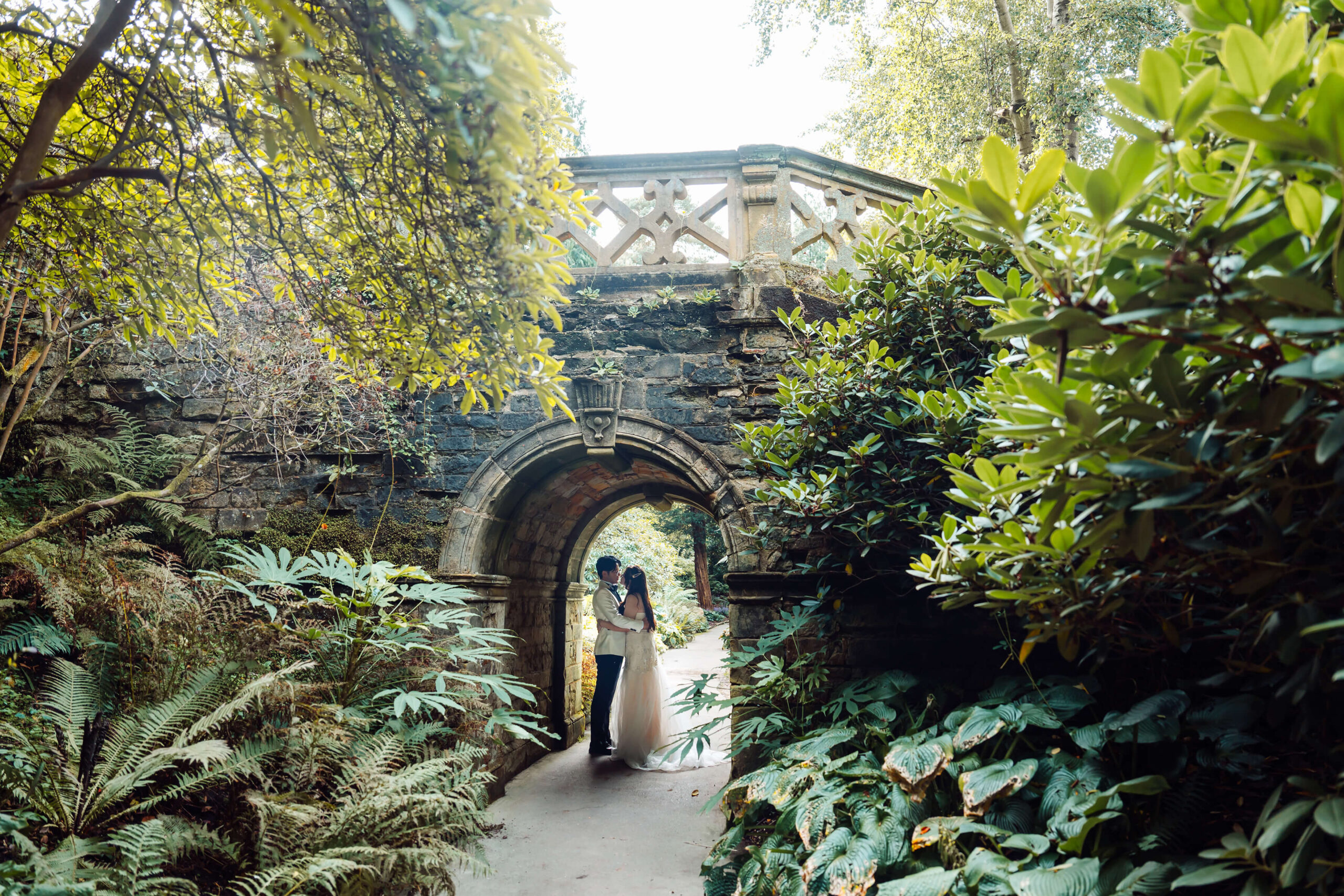
One of the quickest ways to feel clearer about your wedding photography is to understand the different wedding photography styles before you book. Not because your day should fit neatly into a label, but because style shapes how your memories are seen, felt, and preserved. The photographs you live with for decades should reflect more than a checklist of moments – they should mirror the atmosphere, emotion, and beauty of the day as it truly unfolds.
For many couples, the challenge is not a lack of choice. It is that so many photographers use similar language while creating very different work. Terms like documentary, editorial, fine art, and traditional are often used side by side, even when the final galleries feel worlds apart. Knowing what each style really means helps you recognise what you are drawn to, and just as importantly, what may not feel like you.
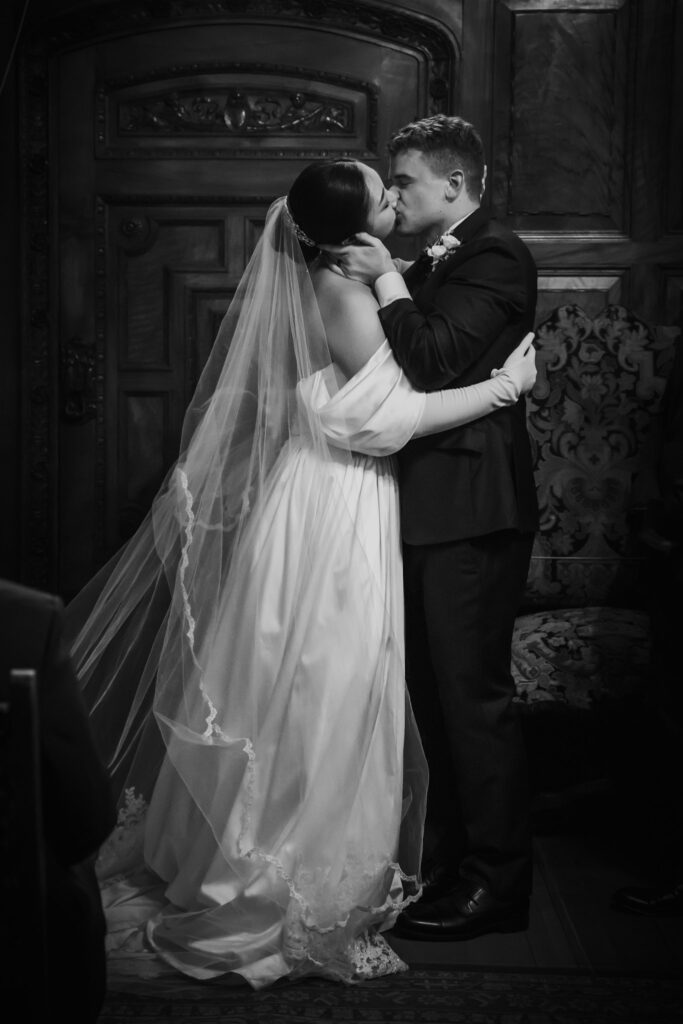
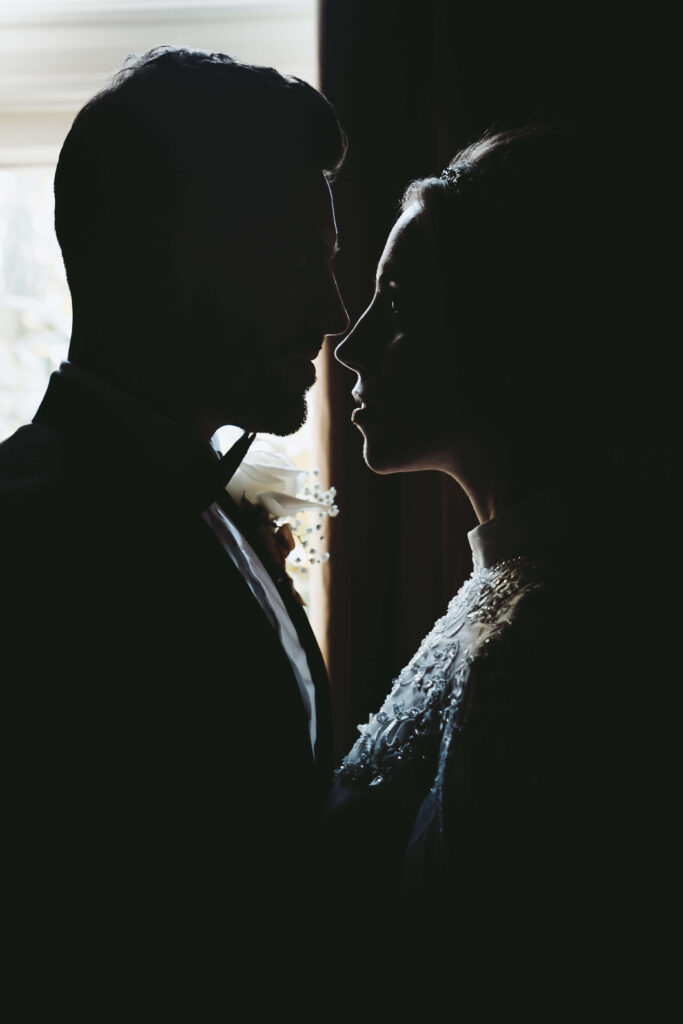
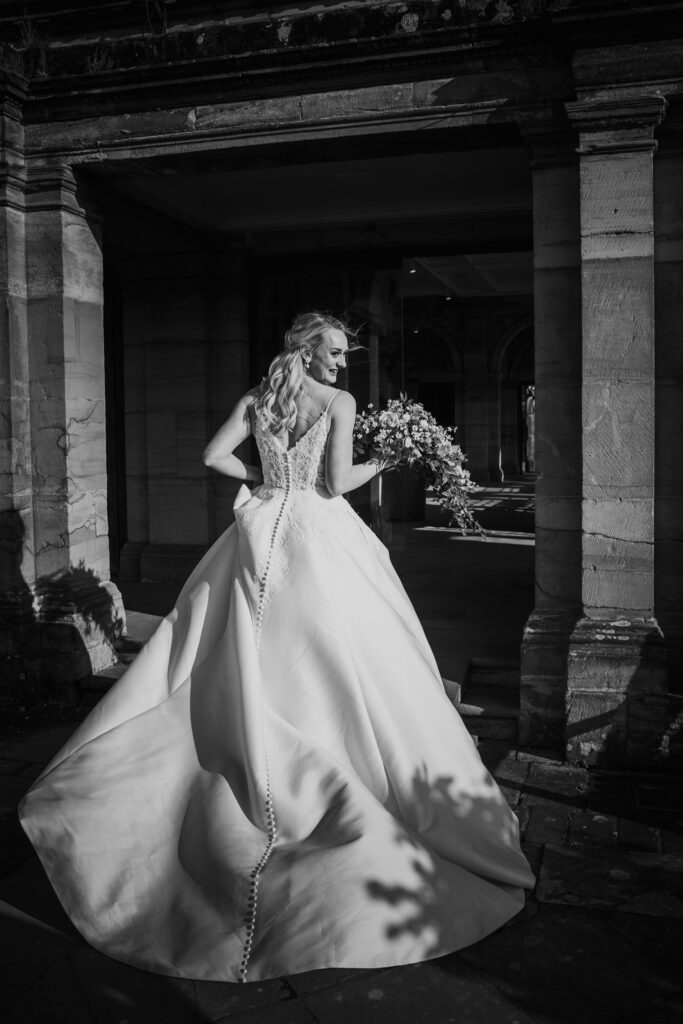
Understanding different wedding photography styles
Wedding photography styles are not simply visual trends. They influence the pace of your day, how much direction you receive, and whether your photographs feel spontaneous, polished, romantic, dramatic, or classically formal. A beautiful gallery is never only about light and composition. It is also about the photographer’s instinct – when to step in, when to stay quiet, and how to shape a moment without disturbing it.
The most sought-after photographers often blend approaches, but there is usually a clear foundation beneath the surface. That foundation matters. If you love natural emotion and movement, a heavily posed approach may feel uncomfortable. If you care deeply about fashion, setting, and refined composition, an entirely hands-off style may leave you wanting more.
Documentary wedding photography
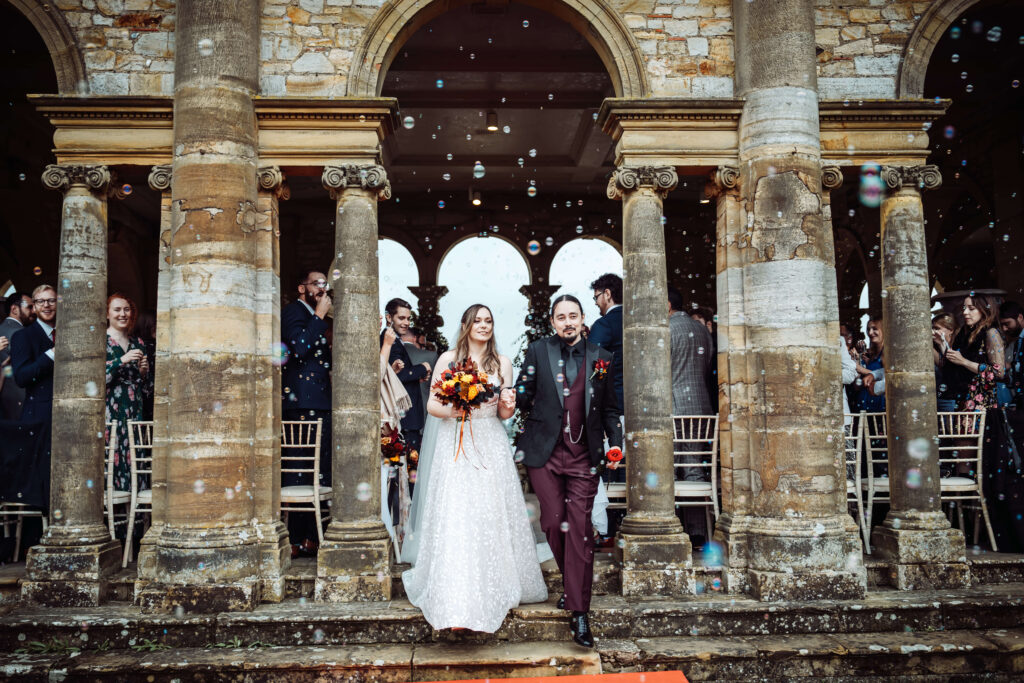
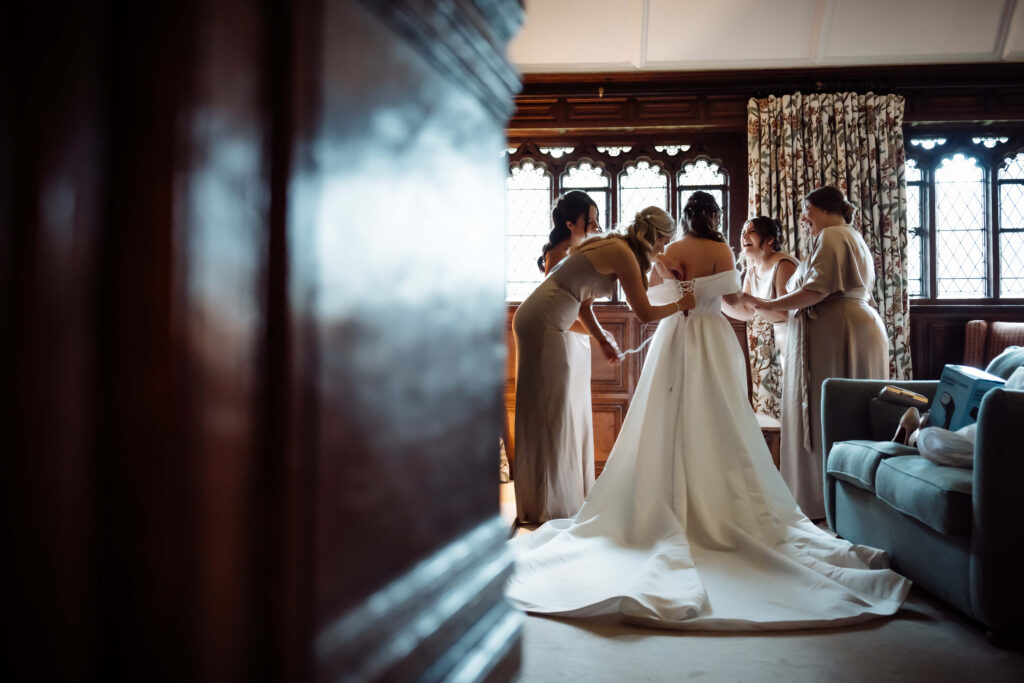
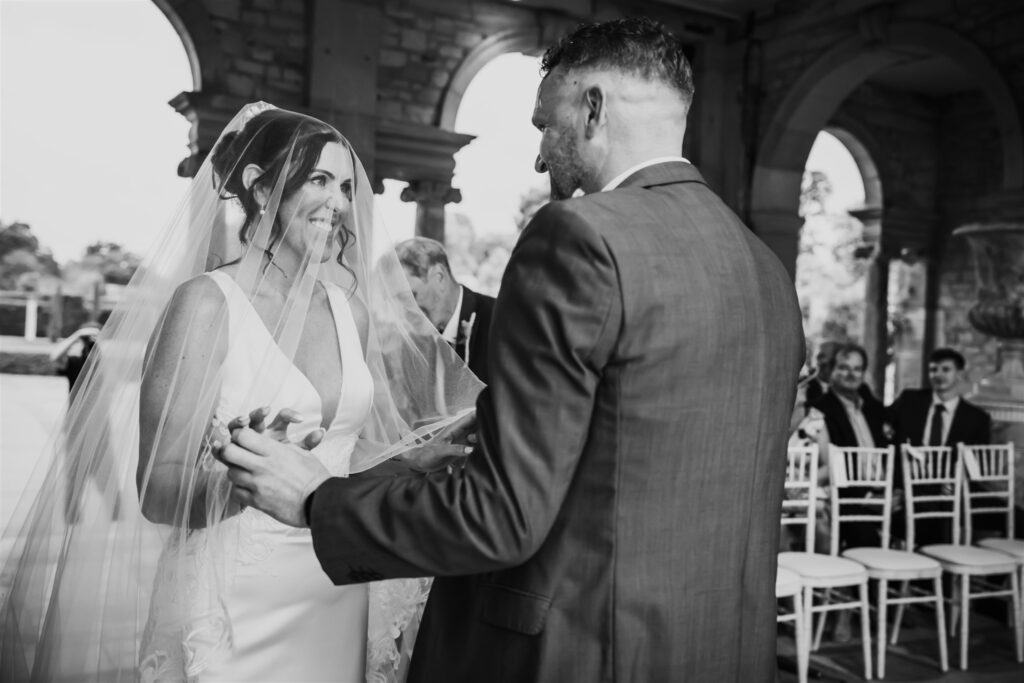
Documentary wedding photography is rooted in observation. Rather than directing each scene, the photographer captures the day as it happens – the nervous laughter before the ceremony, the way your mother reaches for your hand, the look exchanged across a crowded dance floor. It is intimate, truthful, and often deeply moving because it preserves moments you did not even realise were happening.
For couples who want their gallery to feel emotionally honest, this style has enormous appeal. It allows the day to breathe. You are not constantly being repositioned or interrupted, and the result often feels effortless.
That said, pure documentary coverage can be less controlled visually. If the room is dark, the weather shifts, or a space is visually cluttered, the photographer is working with what is there in real time. The strongest documentary photographers know how to find beauty within that reality, but the look is generally less stylised than a more directed approach.
Editorial wedding photography
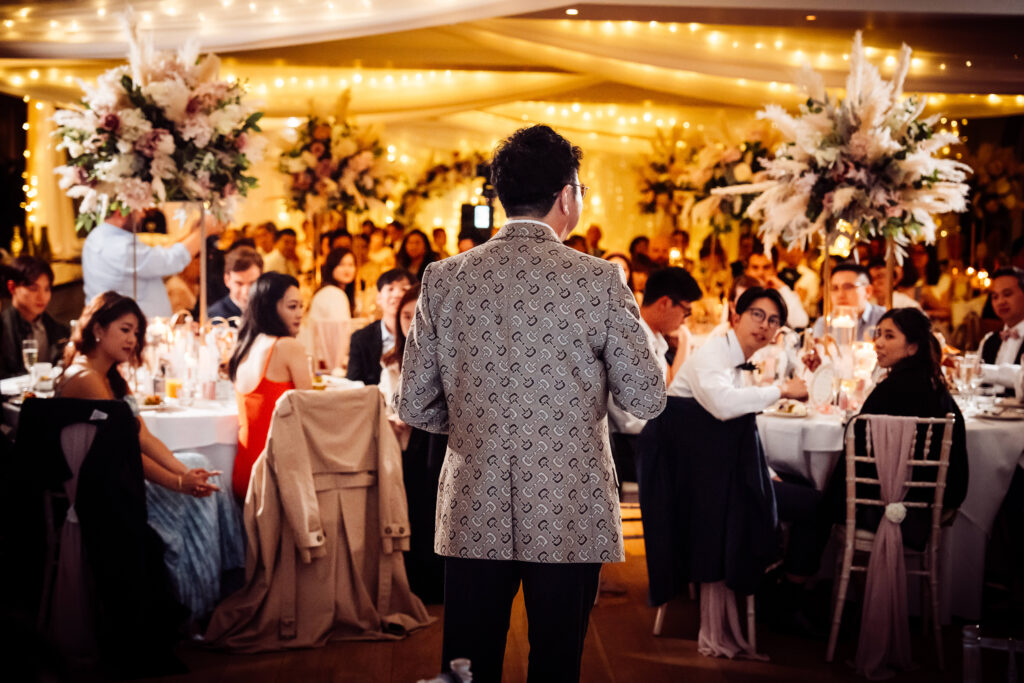
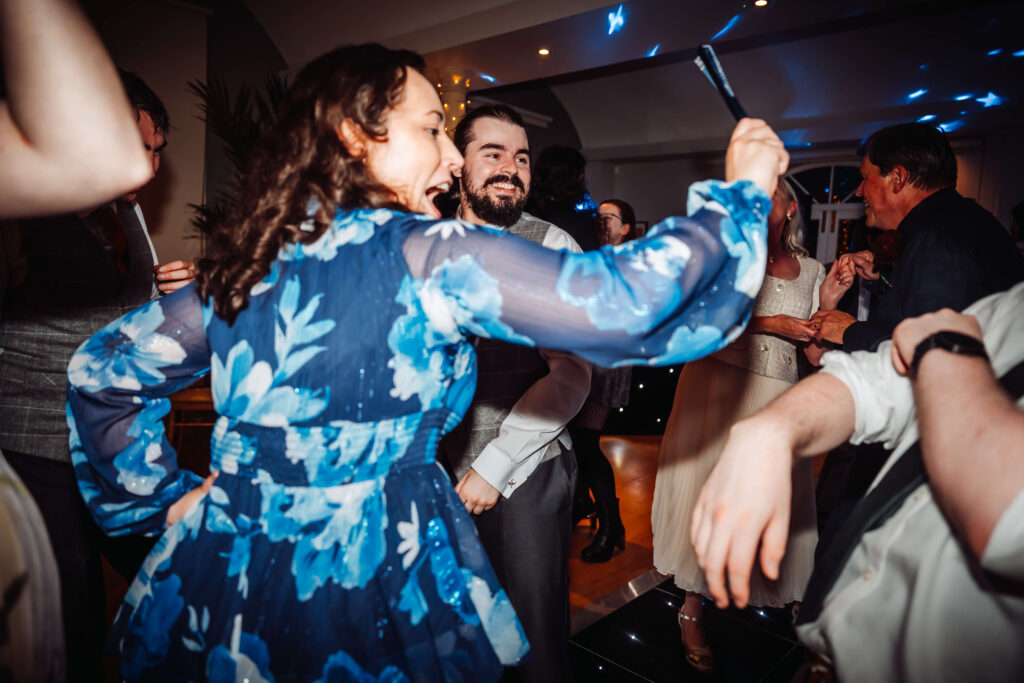
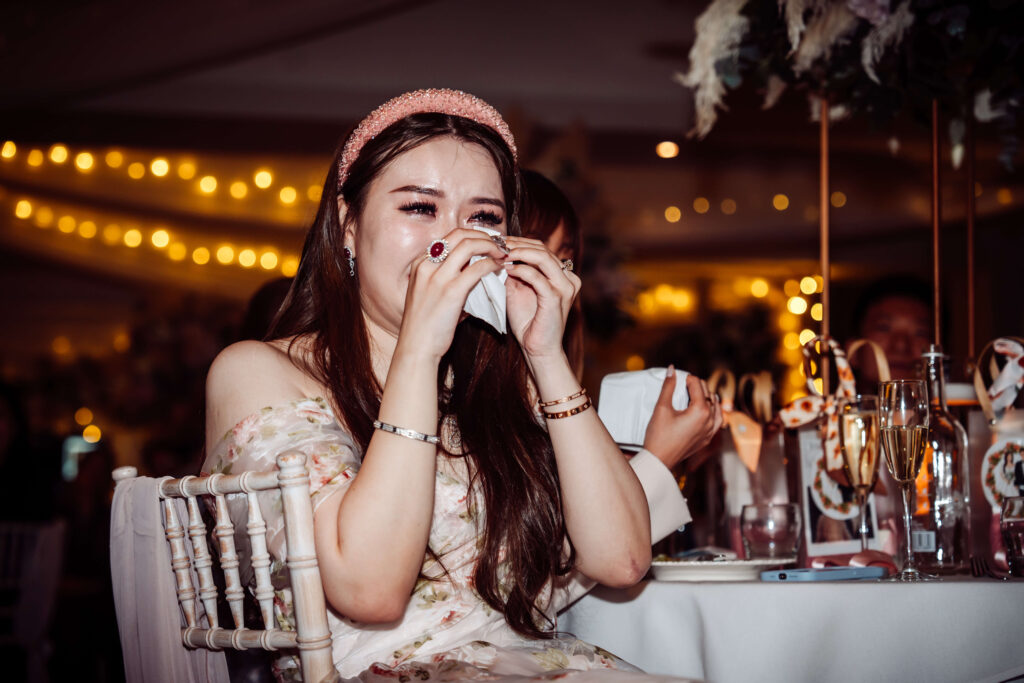
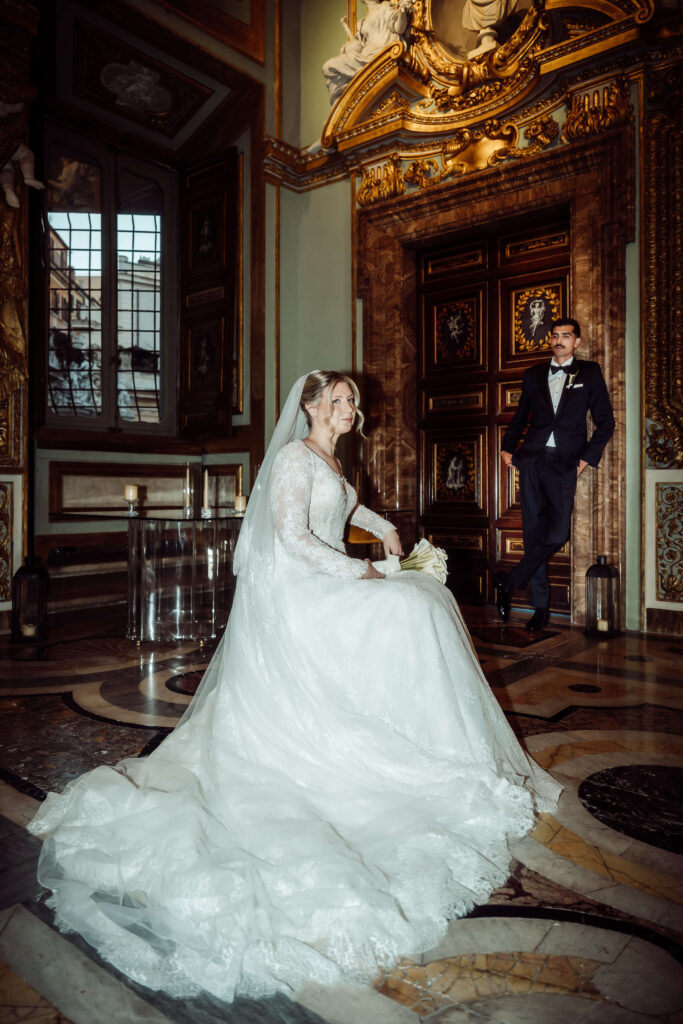
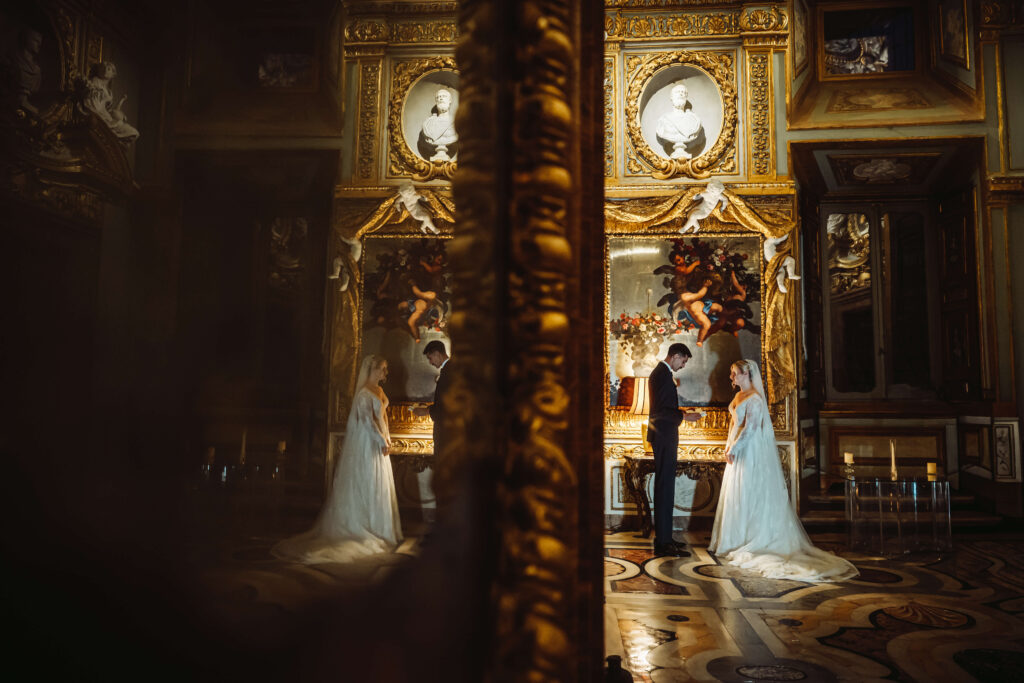
Editorial wedding photography draws from the language of fashion magazines. It is elegant, intentional, and visually polished, with careful attention to styling, posture, composition, and light. Think refined portraits, beautifully framed details, and imagery that feels elevated without losing its emotional core.
This style is especially suited to couples who have invested in design, wardrobe, and setting, and who want their photographs to honour that aesthetic. At a London townhouse wedding, a château celebration in France, or a grand country house in Sussex, editorial imagery can bring a sense of occasion that feels both modern and timeless.
The misconception is that editorial means stiff or overly posed. In reality, the best editorial wedding photography still feels alive. The difference is that the photographer guides with intention, shaping space and movement so the images feel graceful rather than accidental.
Fine art wedding photography
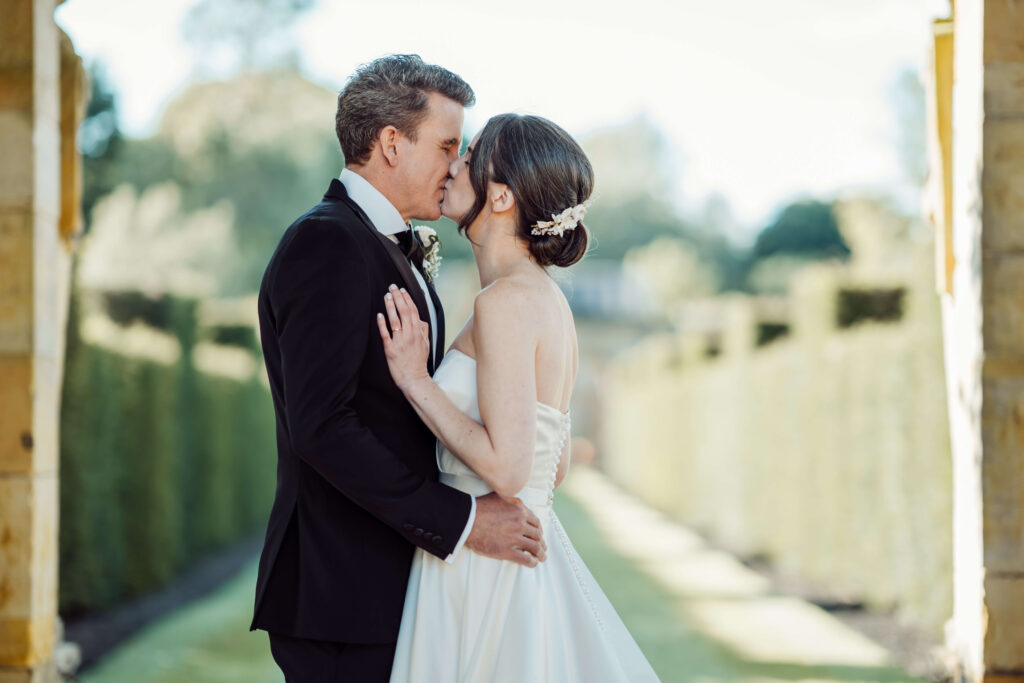
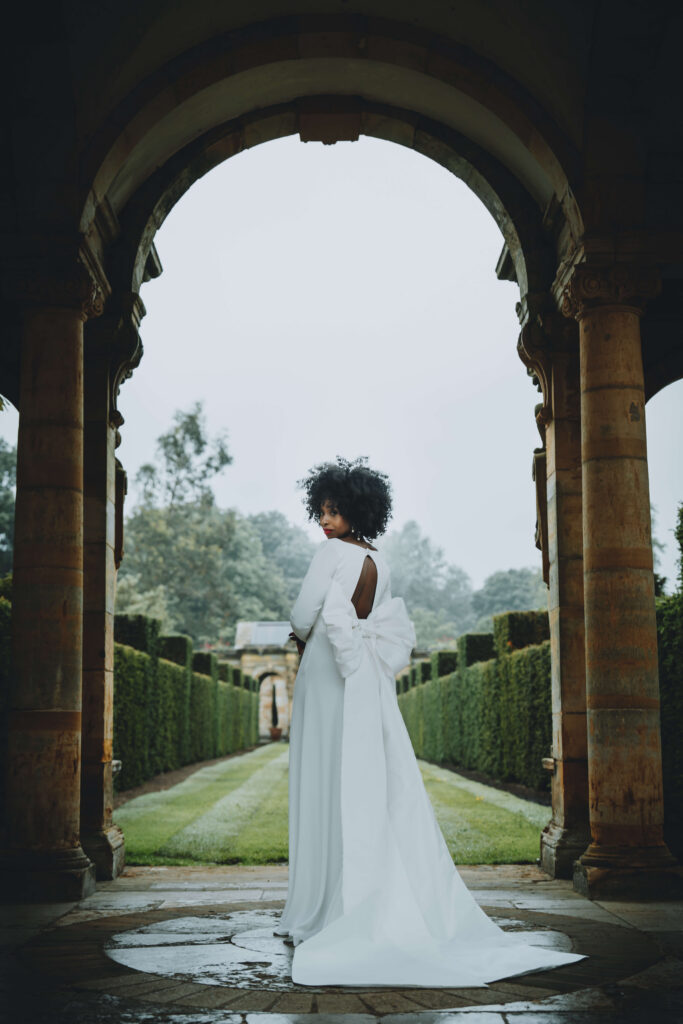
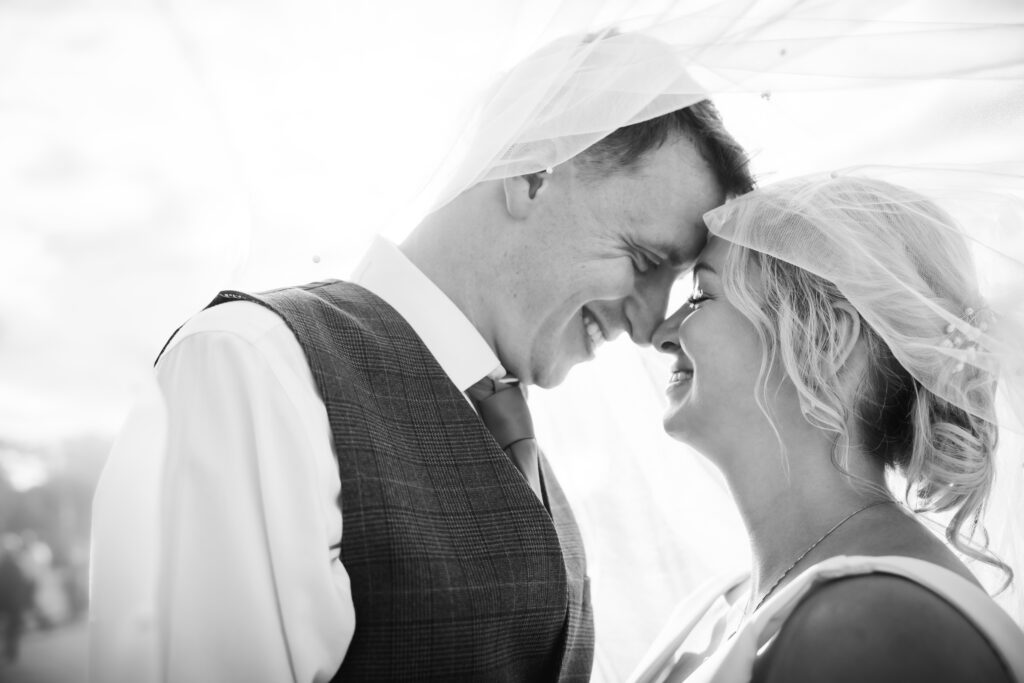
Fine art wedding photography is often softer, more romantic, and more atmospheric in mood. It favours luminous light, delicate colour, and a thoughtful, almost painterly composition. There is often an emphasis on beauty, emotion, and quiet refinement.
For couples drawn to softness and timelessness, fine art can feel especially compelling. It tends to flatter elegant venues, beautiful florals, and carefully considered styling. Film photography often sits naturally within this world because of its softness, texture, and tonal depth.
What matters here is balance. Fine art should not feel vague or overly idealised. At its best, it still tells the truth of the day – simply through a more romantic lens.
Traditional wedding photography
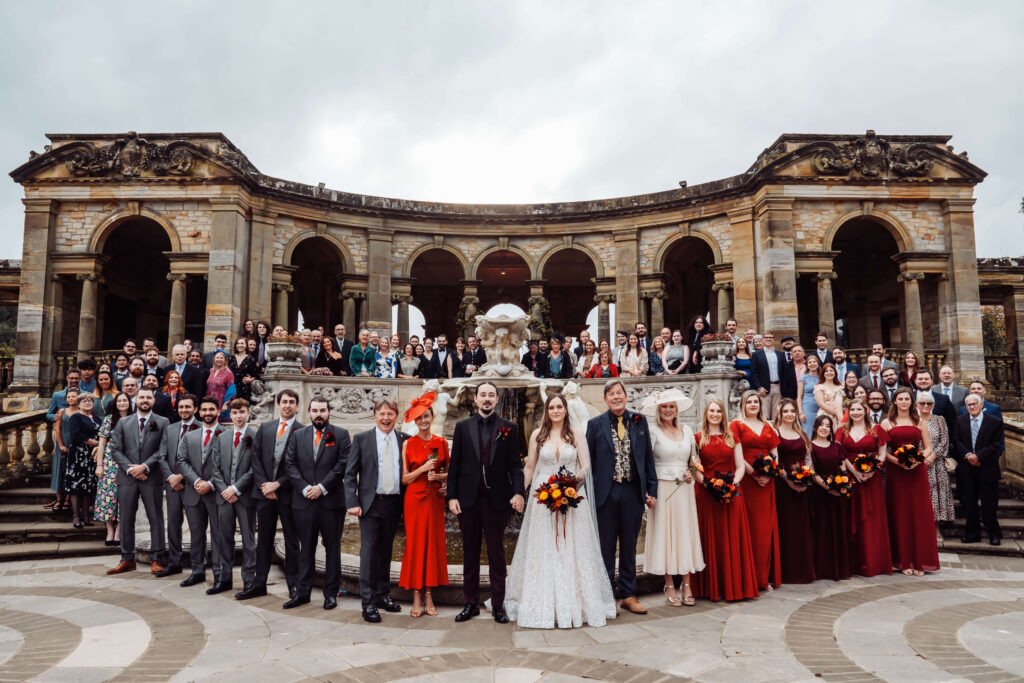
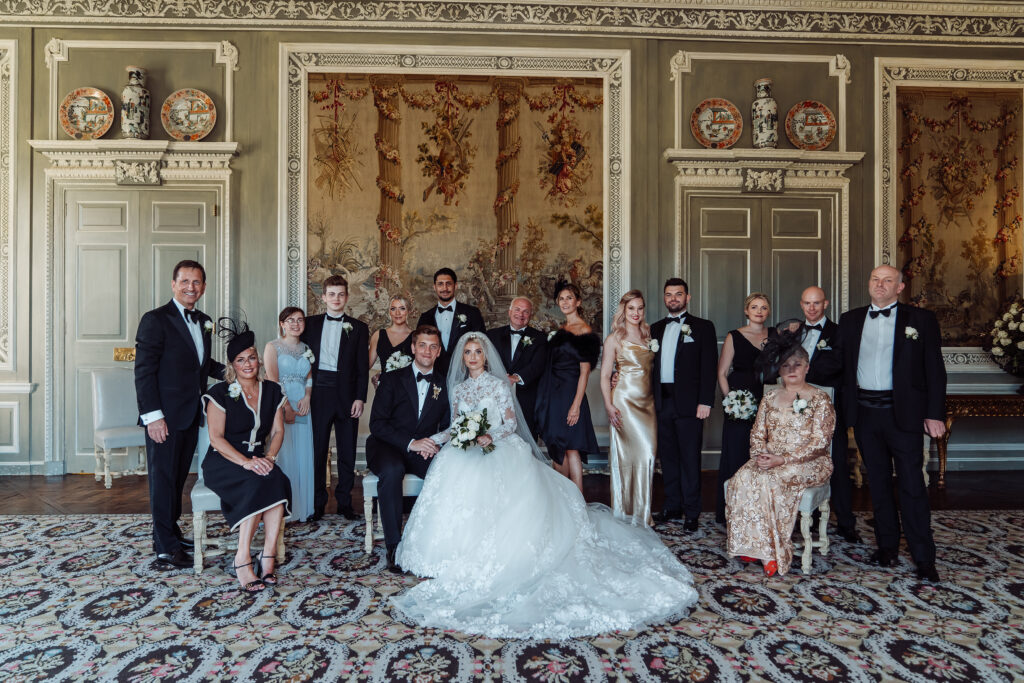
Traditional wedding photography is the most formal of the core styles. It centres on posed portraits, key family groupings, and classic compositions that are carefully arranged. This approach has long been part of wedding coverage, and for good reason. Family photographs matter, and there is reassurance in having those important images made with precision.
For some couples, though, a heavily traditional approach can feel too structured. It may require more time, more organisation, and more interruption. If your priority is a relaxed flow and natural storytelling, you may want traditional elements rather than a fully traditional gallery.
There is real value in this style when handled well. The key is proportion. A small, well-managed section of formal portraits can sit beautifully within a more modern collection of images.
Contemporary and lifestyle approaches
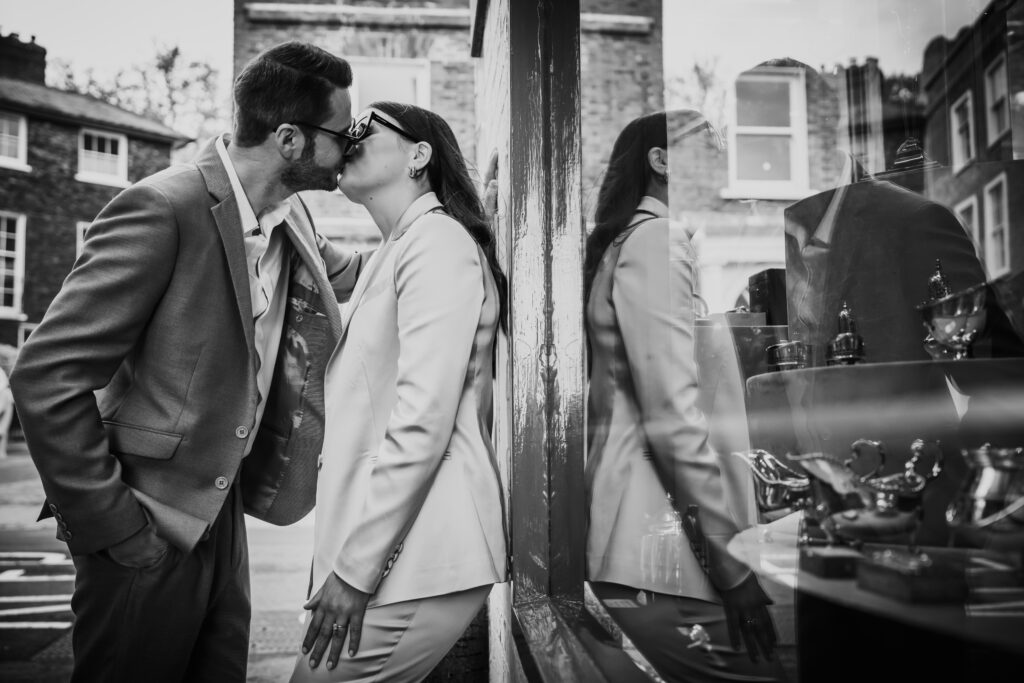
Contemporary wedding photography often sits somewhere between documentary and editorial. It feels current, stylish, and aware of trends, but is usually less formal than traditional coverage and less fashion-led than true editorial work. Lifestyle photography, meanwhile, tends to encourage gentle interaction rather than rigid posing – walking together, talking, laughing, holding each other naturally.
These approaches can work beautifully for engagement sessions and couple portraits on the wedding day. They help create images that feel relaxed and flattering, especially for couples who are worried about feeling awkward in front of the camera.
The trade-off is that contemporary style can date more quickly if it leans too heavily into current trends. The strongest work still feels anchored in emotion and restraint rather than novelty.
Which wedding photography style feels right for you?
The answer is rarely just one style. Most couples are not looking for a gallery that is entirely candid or entirely posed. They want a wedding story with dimension – honest moments, beautiful portraits, thoughtful detail images, and a sense of the celebration as a whole.
A useful question is not simply, what style do I like? It is, how do I want the day to feel while it is being photographed? If you want to stay immersed in the moment, documentary storytelling should be a strong part of the approach. If you care about sophisticated portraits and visually refined imagery, editorial direction matters. If softness, romance, and timeless light speak to you, fine art may be part of the answer.
This is where nuance matters. A photographer may use the language of documentary, yet direct heavily throughout the day. Another may describe their work as editorial, yet create portraits that still feel natural and emotionally connected. Labels help, but the gallery tells the truth.
How to read a photographer’s style beyond the label
Look at full wedding galleries rather than highlight reels alone. A few stunning portraits on a website can be persuasive, but they do not show consistency. You want to see how a photographer handles a dim ceremony room, a rainy confetti line, a busy drinks reception, and the pace of an evening celebration.
Pay attention to how people look in the images. Do they seem comfortable? Is the emotion believable? Are the portraits elegant without feeling forced? Notice the colour, the way skin tones are rendered, and whether the gallery feels cohesive from start to finish.
It is also worth noticing what is absent. If there are very few family photographs, very little movement, or almost no candid interaction, that tells you something just as clearly as what is included.
Why the strongest galleries blend different wedding photography styles
In luxury wedding photography, the most compelling work often lives in the space between styles. Pure documentary can be emotionally rich, but may not fully honour the beauty of the setting or wardrobe. Pure editorial can be visually striking, but may lose some of the spontaneity that makes a wedding feel real. Blending the two with sensitivity creates something far more complete.
That balance is often where the most timeless imagery lives. You have the honesty of documentary storytelling, the elegance of editorial portraiture, and the softness of fine art sensibility working together rather than competing. The result feels polished, romantic, and deeply personal.
For many of the couples drawn to Teri V Photography, this is precisely the point. They do not want to choose between soulful candour and beautifully guided portraits. They want both, held together with calm expertise and an eye for detail.
When you are deciding among different wedding photography styles, trust the work that makes you feel something as well as the work that looks beautiful. Your photographs should not only show how your wedding looked. They should bring you back to how it felt – the atmosphere, the intimacy, the quiet in-between moments, and the joy woven through it all.
Choose the style that lets you recognise yourselves in the images, and everything else tends to fall into place.
+ view the comments
![Wedding couple during their ceremony at Hever Castle Loggia, with the lake behind them and guests seated in front. [Teri V Photography Wedding Timeline Guide]](https://terivphotography.co.uk/wp-content/uploads/2026/01/hever-castle-loggia-wedding-photographer-bride-groom-ceremony-1.jpg)


