
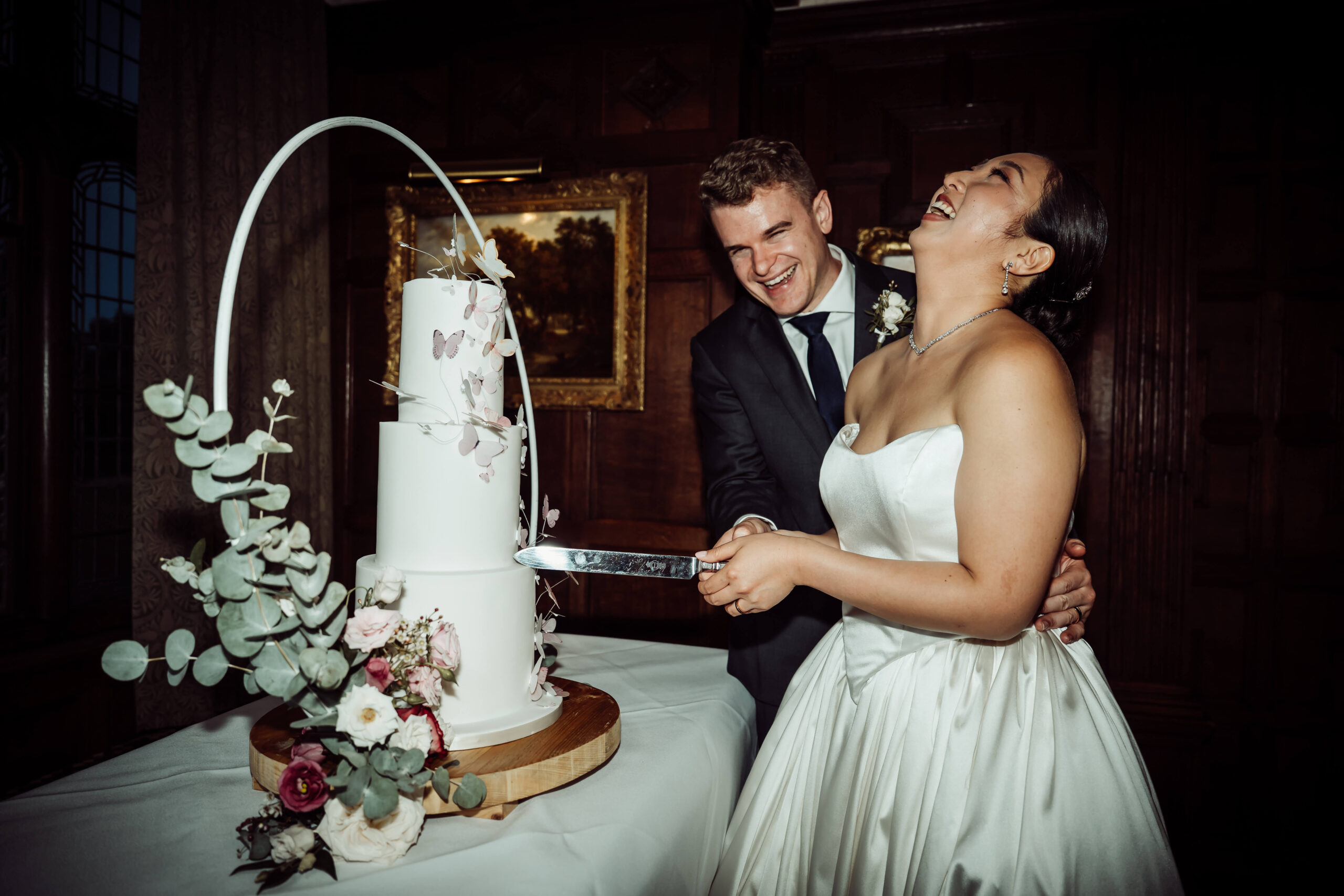
A champagne coupe trembling slightly in your mother’s hand. The way your partner exhales just before turning to see you. Candlelight softening the room long after the speeches are over. These are the moments that give a wedding its heartbeat, and they sit at the centre of the best documentary wedding storytelling tips.
For couples planning a beautifully considered celebration, storytelling matters because the day is never only about how it looked. It is about how it felt. The most meaningful wedding photography holds both – the romance, the style, the energy, the quiet, the people you love, and the fleeting details you may miss in real time. Documentary coverage, when done well, preserves all of that with honesty and elegance.
What makes documentary wedding storytelling so compelling
Documentary wedding photography is often mistaken for simply taking candid pictures and standing back. In reality, it is far more nuanced. It asks a photographer to observe with sensitivity, anticipate emotion before it unfolds, and compose quickly without disturbing the atmosphere.
For luxury weddings especially, the balance matters. You want images that feel unforced, but you also want them to be visually refined. Beautiful storytelling should not come at the expense of composition, light or aesthetic coherence. The strongest galleries feel effortless, yet they are shaped by experience, instinct and a highly trained eye.
That is why documentary storytelling has such lasting power. It captures not just the milestones, but the texture of the day – the relationship between people, the sense of place, the mood in the air. Years later, those frames often become the most treasured because they return you to a feeling rather than a pose.
9 documentary wedding storytelling tips for timeless images
1. Build space into the timeline
The most natural photographs rarely happen when a schedule is running tightly. If the morning is rushed, if travel times are too ambitious, or if portraits are squeezed into a ten-minute window, everyone feels it.
A generous timeline allows moments to emerge rather than be forced. That might mean a slower getting-ready morning, a few extra minutes after the ceremony for hugs and conversation, or breathing room before dinner begins. Space creates calm, and calm is often where the most soulful imagery lives.
2. Choose a photographer whose eye suits your world
Style is not a small detail. If your celebration has been designed with care – the florals, the fashion, the setting, the candlelit tablescape – your photographer should be able to honour that visually while still working in a documentary way.
This is where couples sometimes have to navigate a trade-off. A photographer may be excellent at pure reportage but less attuned to light, fashion or composition. Another may create exquisite portraits but struggle to disappear into the rhythm of the day. The sweet spot is someone who can move between both with ease, so your gallery feels emotionally alive and aesthetically elevated.
3. Let the morning unfold naturally
The getting-ready portion of the day sets the visual and emotional tone for everything that follows. It helps to keep the space as uncluttered and calm as possible, but just as important is resisting the urge to turn every moment into a performance.
Wear the robe you love, sit by the window if the light is lovely, sip the champagne, read the letter, laugh with your closest people. You do not need to keep looking for the camera. The more present you are, the more layered and authentic the images become.
4. Prioritise light as much as location
A grand staircase, a château courtyard or a beautifully panelled suite can all be visually stunning, but if the light is poor, the mood of the image changes. Light shapes softness, depth and intimacy.
When planning your day, think beyond the venue’s best-known spaces. Ask where the light is gentlest for morning preparations, where portraits will feel most flattering in late afternoon, and how the reception will look once daylight fades. Documentary storytelling relies on reality, but thoughtful choices around light allow that reality to be captured at its most beautiful.
5. Trust the in-between moments
Some of the most moving frames from a wedding are not the obvious ones. They happen just before the ceremony doors open, while guests are finding their seats, between courses at dinner, or during that half-second when one person reaches for another’s hand without thinking.
This is one of the most valuable documentary wedding storytelling tips because it asks couples to shift their thinking. The story is not made only of major events. It is built in glances, gestures, stillness and movement. Those in-between moments are often where personality and connection reveal themselves most clearly.
6. Keep group photographs intentional, not exhaustive
Family photographs matter. They become part of your history, and they deserve care. But a very long list of combinations can interrupt the natural flow of the day and pull you away from your guests for longer than you may realise.
A more elegant approach is to keep formal groupings focused on the people who matter most, then allow the rest of the interactions to be documented as they happen. This protects time for genuine conversation, embraces spontaneity and keeps the experience feeling relaxed rather than overly managed.
7. Create room for editorial portraits without losing the story
Documentary coverage and refined portraiture are not opposites. In fact, they often strengthen each other. A handful of beautifully directed portraits can bring polish and artistry to your gallery, while the candid coverage preserves the emotion and atmosphere around them.
The key is proportion. Portraits should feel like a graceful pause, not a production that takes over the day. Ten to twenty minutes in the right light can be enough to create something striking and romantic without breaking the narrative. For style-conscious couples, this balance often gives the most complete result – images that feel both lived-in and exquisitely composed.
8. Think carefully about guest experience
The emotional quality of your photographs is shaped by the emotional quality of the day itself. Guests who feel comfortable, welcomed and immersed create a different energy from guests who are waiting, confused or distracted.
Consider how people move through the celebration. Are there natural moments for connection? Is the ceremony personal and well paced? Will the drinks reception feel generous and unhurried? Good hosting does more than create a lovely experience – it gives your photographer a richer, warmer story to document.
9. Be fully present
This may be the simplest of all documentary wedding storytelling tips, yet it is the one that changes everything. Presence photographs beautifully. When you are not worrying about whether every second is being captured, you relax into the day. Your expressions soften. Your body language becomes natural. The images begin to reflect who you truly are together.
That does not mean forgetting the camera altogether. It means trusting the person behind it enough to let go. The most timeless galleries are rarely built from constant awareness. They come from surrendering to the moment and allowing the day to unfold.
Documentary wedding storytelling tips that matter during planning
If you are still in the early stages of planning, it helps to think of photography as part of the atmosphere rather than a service added at the end. Your choice of spaces, timings, styling and even guest count will all influence the way the story is documented.
A candlelit dinner in an historic manor will photograph differently from a marquee celebration at midday. A destination wedding with a full weekend of events offers more narrative depth than a single compressed day. Neither is better. It simply depends on what you want to remember and how you want it to feel.
This is where an experienced photographer brings real value. Beyond creating beautiful imagery, they can guide decisions that protect the story itself – suggesting where to build in breathing room, when to schedule portraits for the softest light, and how to preserve the intimacy of the day while still honouring its scale. At Teri V Photography, that calm guidance is part of the experience, not an afterthought.
Why the best storytelling feels both honest and elevated
There is a quiet sophistication to wedding photographs that do not try too hard. They are not overdirected, yet they are not careless. They feel natural, but never ordinary. That balance is what makes documentary storytelling so enduring for modern couples who want more than a record of events.
You want to see the beauty of your dress in motion, the architecture of the room, the tenderness in your grandmother’s face, the joy on the dance floor, and the atmosphere that held it all together. You want truth, but you also want taste. Emotion, but also artistry.
When those elements meet, your photographs become more than a gallery of what happened. They become a love story with texture, rhythm and soul – something you can step back into for years to come.
As you plan your celebration, give real thought to how you want it to feel when you look back. The most beautiful images begin there.
+ view the comments
![Wedding couple during their ceremony at Hever Castle Loggia, with the lake behind them and guests seated in front. [Teri V Photography Wedding Timeline Guide]](https://terivphotography.co.uk/wp-content/uploads/2026/01/hever-castle-loggia-wedding-photographer-bride-groom-ceremony-1.jpg)


