
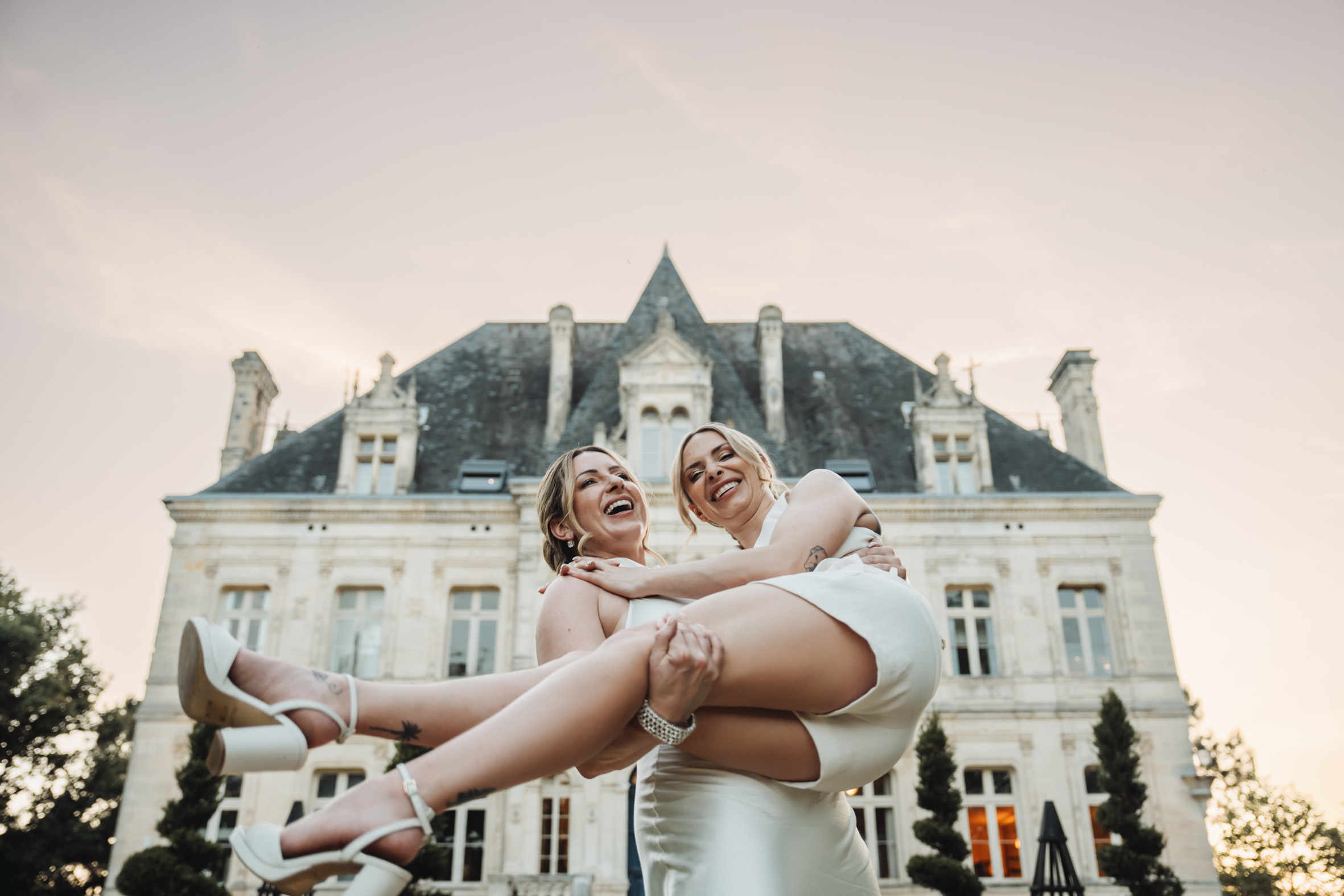
The light shifts, your dress is finally on, champagne glasses appear from nowhere, and suddenly the morning you thought would feel spacious begins to move very quickly. A thoughtful wedding photography timeline guide is not simply about logistics. It is what protects the feeling of the day, giving your photographs enough room to be soulful, polished and beautifully unhurried.
For couples planning a refined wedding in the UK or abroad, the timeline shapes far more than when portraits happen. It influences how calm you feel while getting ready, how present you are during the ceremony, and whether your gallery holds rushed snapshots or imagery that feels timeless, romantic and alive with atmosphere. The best timelines are never rigid. They are artfully structured, with enough intention to support the day and enough flexibility to let real moments breathe.
Why a wedding photography timeline guide matters
Luxury weddings are often layered affairs. There may be multiple spaces in use, a meaningful ceremony, editorial details, family expectations, changing weather, travel between venues, and a dinner service that runs with precision. Without a considered photography schedule, even the most elegant celebration can begin to feel compressed.
A strong timeline creates space where it matters most. Space for your veil to be fastened without a rush. Space for portraits that feel like a natural extension of the day rather than an interruption. Space for documentary moments that cannot be recreated later, such as a parent pausing in the doorway or the quiet exhale before walking down the aisle.
It also helps your photographer work with intention. Editorial imagery, film photography, natural candids and family groupings each ask for slightly different conditions. The more thoughtfully the day is paced, the more beautifully those styles can sit together.
The ideal wedding photography timeline guide for each part of the day
There is no universal formula, because a London townhouse wedding moves differently from a countryside estate celebration or a destination weekend in Europe. Still, there are rhythms that consistently lead to better photographs.
Getting ready
This part of the day deserves more time than many couples expect. Hair and make-up often run later than planned, especially if several people are being styled in one room. For photography, the final hour before you get dressed is often the most visually rich. Details are laid out, emotions begin to rise, and the room has energy without being too frantic.
If you would like photographs of stationery, jewellery, shoes, scent, flowers and the dress, those should ideally be captured before you are fully dressed. A calm, light-filled space makes a remarkable difference here. It does not need to be vast, but it should be tidy and considered. Beautiful imagery is often born from restraint.
For most weddings, allowing at least 90 minutes of photographic coverage before you put your outfit on creates a gentler start. If both partners want morning preparations documented, more time may be needed, particularly if you are in different locations.
Getting dressed
This is rarely a five-minute moment, even if the schedule says it is. Dresses can need careful fastening, flowers may arrive late, and those helping you often become emotional. Build in a proper window for this stage, and your photographs will hold the tenderness of it rather than the speed.
The same is true for tailoring, cufflinks and final touches on the other side. These quieter rituals often become some of the most personal frames in a gallery.
First look or pre-ceremony portraits
Some couples love the intimacy of seeing one another before the ceremony. Others want that moment protected for the aisle. Neither is more romantic. It simply depends on the atmosphere you want.
A first look can create breathing room for portraits earlier in the day and make the post-ceremony schedule feel more relaxed. It is particularly useful in winter, when daylight disappears quickly, or for weddings with a later ceremony time. On the other hand, if your priority is preserving anticipation and tradition, keeping portraits until afterwards may feel more meaningful.
This is one of those places where trade-offs matter. A first look offers flexibility. Waiting until after the ceremony offers a different emotional cadence. The right choice is the one that suits your story.
The ceremony
Ceremonies often feel short while they are happening, but they hold some of the most enduring photographs of the day. Arrivals, reactions, vows, hands finding one another, guests quietly watching – these moments ask for sensitivity rather than interruption.
From a timeline perspective, what matters most is what sits around the ceremony. Guests should be seated in good time, transport should arrive earlier than seems necessary, and you should never be stepping out of the car at the exact minute the ceremony begins. A cushion of even 15 minutes changes the energy entirely.
Confetti, family photographs and drinks reception
This stretch of the day is where timelines most often become tangled. Everyone wants to celebrate, hug, talk and move towards champagne, but this is also when family group photographs usually happen.
The most elegant approach is to keep family combinations concise and intentional. A long list can quickly absorb the drinks reception and leave you without time to enjoy your guests. Immediate family, grandparents and a few carefully chosen extended groupings are usually enough. If there are sensitive family dynamics, those should be discussed in advance so the experience remains smooth and discreet.
Confetti is best planned rather than improvised. A clear location, enough guests gathered properly, and a little guidance all help create images that feel joyful rather than chaotic.
Couple portraits
Portraits should never feel like a lengthy disappearance from your own wedding. For most couples, the most flattering and natural approach is to divide them into shorter pockets across the day.
A brief session after the ceremony can capture that just-married glow while everything still feels electric. Then, later, stepping away for 10 or 15 minutes during golden hour often gives you the most luminous images of the day. This second portrait window is especially valuable at grand venues or destination settings, where the landscape deserves its own quiet moment.
The beauty of this approach is that it protects both atmosphere and artistry. You remain present with your guests, while still making space for portraits that feel editorial, romantic and composed.
Building in margin is the real secret
If there is one principle that transforms a wedding photography timeline guide from functional to exceptional, it is margin. Not empty time for its own sake, but space that absorbs the natural slippage of a live event.
Hair and make-up may overrun. A registrar may start slightly later. A family member may disappear just when they are needed for photographs. A summer drinks reception may become so joyful that no one wants to move inside. Margin allows the day to hold all of that without making you feel as though you are constantly catching up.
This matters even more at luxury weddings, where there are often more visual elements to capture and a more layered guest experience to preserve. A beautifully designed day deserves enough room to be seen properly.
How light affects your photography timeline
Light is often the invisible force behind a beautiful gallery. In the UK especially, it changes dramatically by season, venue and weather. A winter wedding in Sussex asks for a very different portrait plan from a late July celebration in the South of France.
This is why timelines should never be built on Pinterest assumptions alone. A candlelit December wedding may call for portraits before the ceremony, while a summer estate wedding might benefit from waiting until the evening. Indoor spaces matter too. Large windows, dark panelling, marquee ceilings and ceremony orientation all influence where the most flattering light will fall.
The best planning considers the feeling of the imagery you want, then works backwards from the available light.
A wedding photography timeline guide should reflect your priorities
Some couples want generous time for fashion-led portraits and editorial details. Others care most about documentary coverage and barely leaving the party. Most want a balance of both.
That balance is where thoughtful planning becomes personal. If style is central to your vision, more portrait time and a carefully paced morning may be essential. If your priority is being immersed in every minute with guests, then portraits can be kept concise and strategically timed. Neither approach is better. The timeline should reflect what you want to remember most.
This is also where an experienced photographer becomes more than someone with a camera. They help shape a day that feels beautiful to live, not only beautiful to look at afterwards.
At Teri V Photography, that guidance is always part of the experience – creating space for natural storytelling, refined portraiture and the kind of imagery that never feels hurried.
A truly good timeline does not make your wedding feel scheduled to the minute. It makes everything feel calmer, softer and more intentional, so when the day arrives, you are free to be exactly where you belong – inside it.
+ view the comments
![Wedding couple during their ceremony at Hever Castle Loggia, with the lake behind them and guests seated in front. [Teri V Photography Wedding Timeline Guide]](https://terivphotography.co.uk/wp-content/uploads/2026/01/hever-castle-loggia-wedding-photographer-bride-groom-ceremony-1.jpg)


