
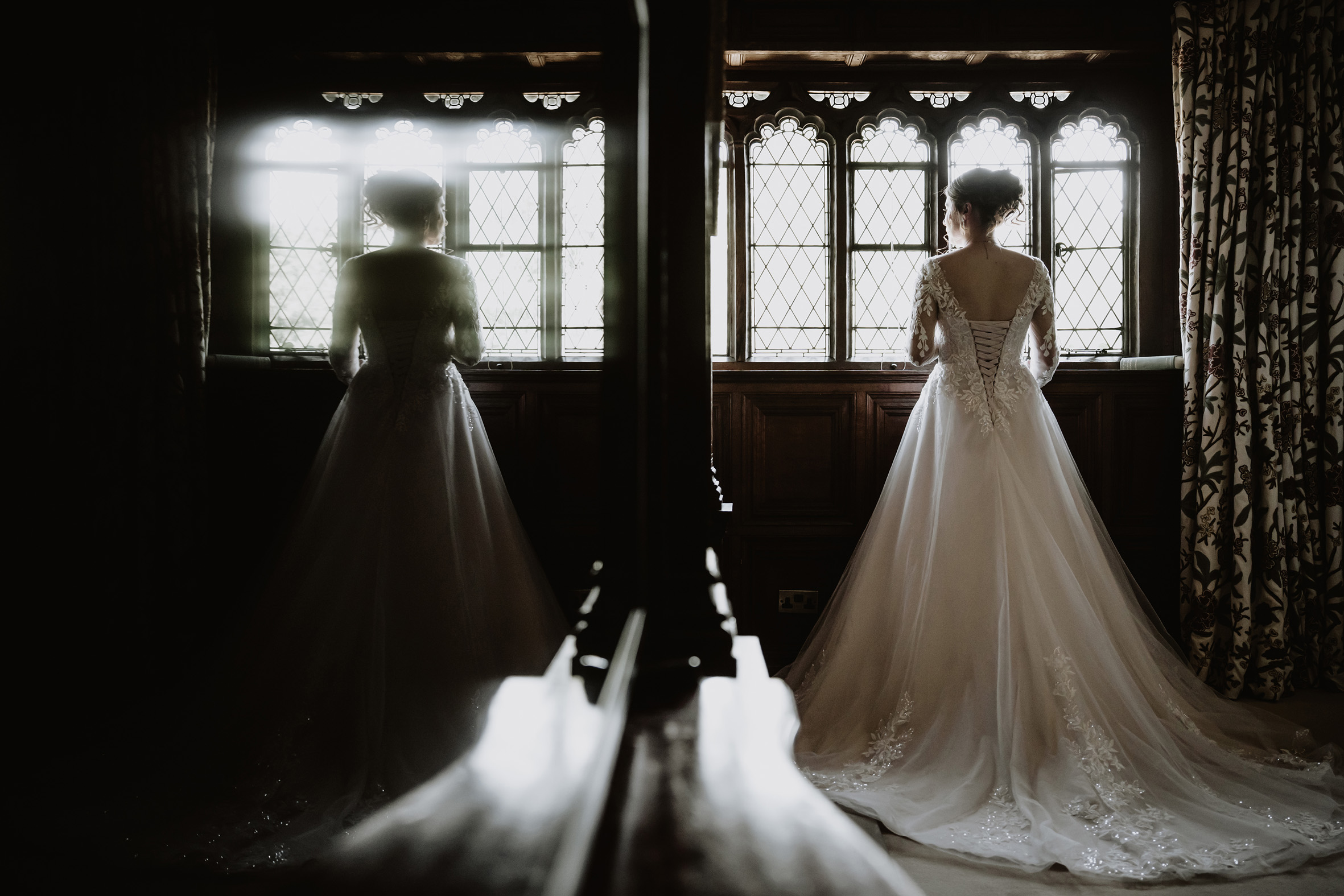
A bride steps into the morning light, silk catching the air, the room hushed for a moment before the day gathers pace. It is not only beautiful – it feels cinematic, intentional, alive. That is the quiet appeal of editorial wedding photography: imagery that looks polished enough for the pages of a magazine, yet still holds the emotion, movement and intimacy of a real wedding day.
For couples planning a refined celebration, the term often appears in portfolios, on Pinterest boards and in venue marketing. But it is also one of those phrases that can mean slightly different things depending on who is using it. At its best, editorial wedding photography is not about turning your wedding into a fashion shoot. It is about bringing a strong artistic eye, thoughtful direction and a sense of visual elegance to moments that are genuinely yours.
What is editorial wedding photography?
Editorial wedding photography is a style shaped by fashion, fine art and storytelling. It favours clean composition, beautiful light, considered details and portraits that feel elevated rather than ordinary. There is often a sense of structure to the frame – a deliberate awareness of line, balance, styling and atmosphere.
What makes it compelling for weddings is that, when handled well, it does not lose heart in the pursuit of style. The flowers are photographed with intention, yes, but so is your mother fastening a bracelet with slightly trembling hands. The tablescape matters, but so does the look you exchange during the speeches when no one else notices.
This is where the best editorial work separates itself from images that are simply fashionable. True editorial wedding photography is not only about aesthetics. It is about creating photographs that are visually sophisticated while still rooted in feeling.
The difference between editorial and traditional wedding photography
Traditional wedding photography often prioritises a clear record of the day. It tends to be dependable, recognisable and organised around expected moments. There is comfort in that approach, especially for couples who want straightforward coverage with minimal creative intervention.
Editorial wedding photography brings a different sensibility. It pays close attention to mood, styling and visual narrative. Rather than simply documenting what happened, it interprets the day artistically. A staircase becomes part of the composition. A veil is used for softness and movement. The architecture of a London townhouse or a château in Provence is given space to breathe within the frame.
That does not mean one style is inherently better than the other. It depends on what matters most to you. If you are drawn to imagery that feels refined, romantic and artfully composed, editorial may feel like a natural fit. If you prefer a purely observational approach with very little direction, you may want someone whose work leans more heavily into documentary coverage.
For many modern couples, the sweet spot lies in the middle: honest storytelling with an editorial finish.
Why editorial wedding photography appeals to luxury couples
When every element of a wedding has been chosen with care – the venue, the paper goods, the fashion, the florals, the candlelight – it makes sense to want photographs that honour that beauty properly. Editorial photography has the visual language to do exactly that.
It suits celebrations where atmosphere is part of the experience. A black-tie wedding in a country house, a candlelit dinner in a private villa, a London celebration with impeccable tailoring and sculptural flowers – these settings benefit from imagery that understands design as well as emotion.
Just as importantly, luxury clients often want a calm, assured experience. They do not want to spend the day performing for the camera, nor do they want portraits to feel stiff or overly controlled. The appeal of a strong editorial photographer is that they can guide gently, read the room and create something polished without making the day feel artificial.
What editorial wedding photography should feel like on the day
This is often the real question. Not what it looks like, but what it asks of you.
Good editorial photography should feel composed, not cumbersome. There may be brief moments of direction – where to stand, how to hold each other, when to slow down and let a moment breathe – but the experience should still feel natural. You are not expected to become models. You are simply being guided with care so that the photographs reflect your best, most luminous selves.
There is a misconception that editorial means constant posing. In reality, the strongest work balances structure with spontaneity. A portrait may be art directed in a subtle way, while the laughter that follows is completely unplanned. A beautifully framed image of your ceremony room may sit alongside a fleeting embrace in the corridor moments later.
That balance matters. Without emotion, editorial imagery can feel empty. Without shape and intention, it can lose the elegance that makes the style so distinctive.
The role of fashion, movement and detail
One reason editorial wedding photography feels so timeless is that it understands how people, clothing and setting interact. A gown is not photographed as an object alone, but as something that moves with the body. A tailored dinner jacket, a cathedral veil, a pair of heirloom earrings, a carefully chosen second look – these details become part of the visual story rather than decorative afterthoughts.
Movement is particularly important. Some of the most beautiful editorial images come from allowing fabric to catch the wind, inviting a couple to walk rather than stand still, or using architecture to create rhythm within the frame. The result is elegance with life in it.
This is where an art direction background can make a noticeable difference. There is an instinct for styling, proportion and restraint – knowing when an image needs one more adjustment and when it is already complete.
Editorial wedding photography and documentary storytelling
The most memorable wedding galleries rarely stay in one mode all day. They shift naturally between observation and direction, intimacy and scale, softness and drama.
That is why editorial and documentary approaches are not opposites. In thoughtful hands, they complement each other. Documentary storytelling captures the truth of a day as it unfolds. Editorial framing elevates that truth visually. Together, they produce a gallery that feels both emotionally honest and aesthetically exceptional.
For couples, this usually means you do not have to choose between candour and beauty. You can have the unguarded tears during the ceremony, the champagne-fuelled joy on the dance floor, and portraits that feel worthy of the setting you worked so hard to create.
At Teri V Photography, this balance sits at the heart of the experience – soulful storytelling shaped with a fashion-informed eye, so nothing feels forced and nothing important is missed.
How to know if this style is right for you
If you are naturally drawn to imagery that feels romantic, polished and a little cinematic, that is usually your first clue. If you care about how your wedding looks and how it feels, editorial photography may speak to both.
It is especially well suited to couples who value design, who have chosen a venue with character, and who want portraits that feel elegant rather than overly traditional. It also helps if you are open to a little guidance. You do not need experience in front of the camera, but you should want a photographer who will direct with intention rather than simply observe from a distance all day.
The best way to decide is to look beyond a few standout images on social media. Study full galleries. Notice whether the photographer can carry the same level of sophistication from getting ready through to the last dance. Ask yourself whether the people in those photographs still look like themselves. Style matters, but recognisable emotion matters more.
What to ask before you book
If editorial wedding photography is the look you love, ask how that style translates into the actual experience. How much direction is given during portraits? How are family photographs handled? What happens if the weather turns? Can the photographer work confidently across both grand interiors and low-lit receptions?
These questions matter because editorial work is not created by presets alone. It relies on judgement, timing and the ability to adapt. A beautiful venue helps, but it is not enough. The photographer needs to see light quickly, compose instinctively and keep the atmosphere calm.
You are not only choosing a portfolio. You are choosing a presence on one of the most emotionally charged days of your life.
Editorial wedding photography, at its most refined, offers more than a stylish set of images. It gives shape to memory. It preserves not only how everything looked, but the mood, the pace, the romance of it all. And years from now, when the flowers are long gone and the music has faded, that sense of feeling beautifully held may be what matters most.
+ view the comments
![Wedding couple during their ceremony at Hever Castle Loggia, with the lake behind them and guests seated in front. [Teri V Photography Wedding Timeline Guide]](https://terivphotography.co.uk/wp-content/uploads/2026/01/hever-castle-loggia-wedding-photographer-bride-groom-ceremony-1.jpg)


