
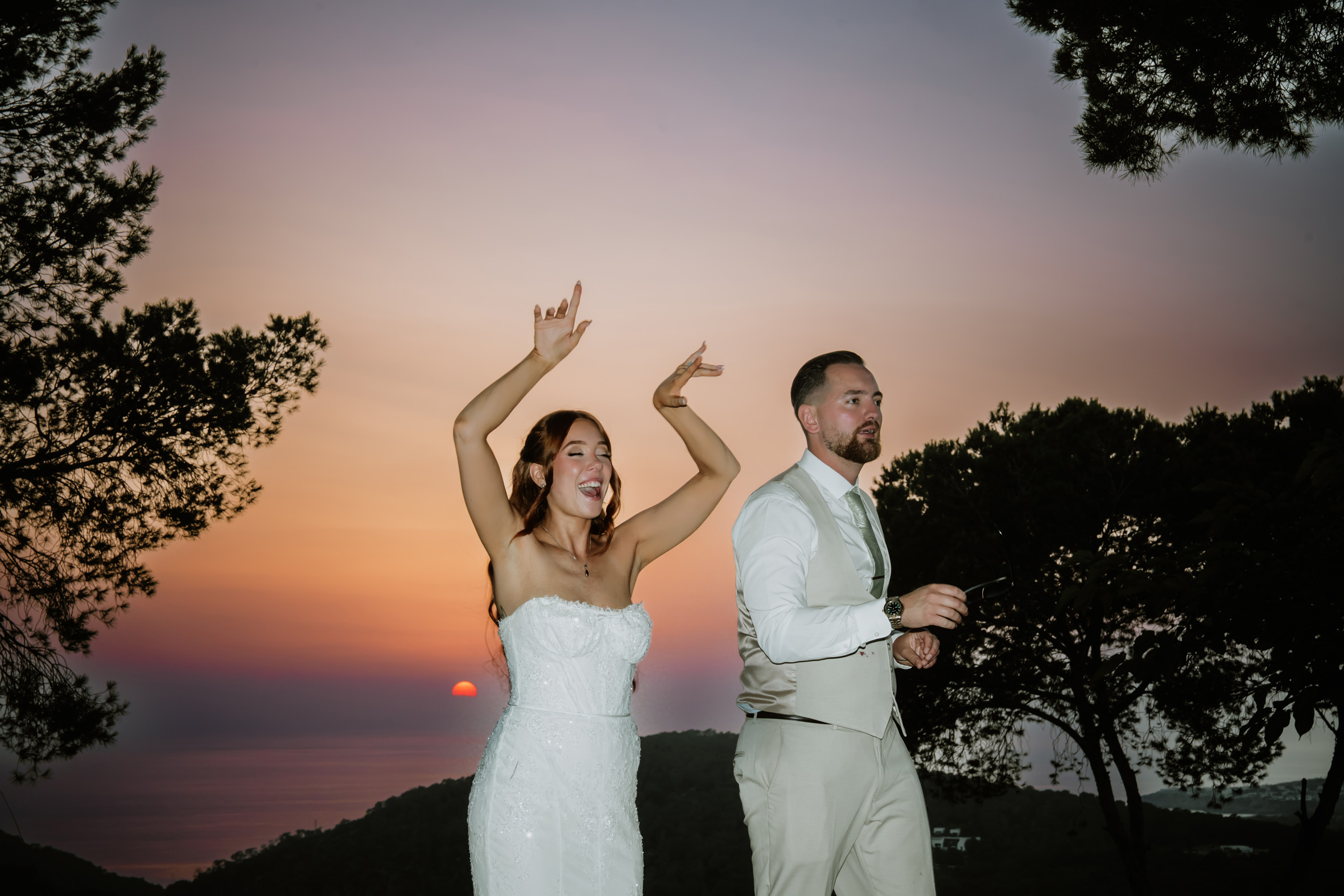
A destination wedding is never only about the view. It is the scent of citrus in a courtyard, the softness of evening light across a terrace, the joyful disorder of everyone you love gathering somewhere beautiful. This guide to destination wedding photos is about preserving that atmosphere with intention, so your photographs feel as transporting in twenty years as they do the morning after.
The most memorable images do not come from treating a faraway setting as a backdrop alone. They come from allowing the place, the pace of the day and the way you are together to shape the story. With thoughtful planning, your photography can hold both the grandeur of the destination and the intimate, fleeting moments within it.
Begin with the feeling, not the shot list
Before considering arches, coastlines or candlelit tables, decide how you want your wedding to feel. Perhaps it is relaxed and sun-soaked, with long lunches and bare feet on stone. Perhaps it is black-tie and cinematic, unfolding in the salons of an Italian villa or a French château. Your photographer should understand that feeling from the first conversation, because it informs every creative choice: the moments they anticipate, the direction of the portraits and the details that deserve space in the final gallery.
A small list of family groupings is essential, particularly when guests have travelled internationally to be there. Beyond that, resist filling the day with requests for every possible image. A tightly choreographed shot list can pull you away from the very celebration you have travelled so far to create. The strongest destination wedding photographs leave room for the unexpected: your father adjusting his cufflinks in a quiet corridor, friends linking arms after dinner, wind catching your veil as you step outside at dusk.
Share what matters emotionally. A handwritten letter from a grandparent, a silk scarf borrowed from your mother, the restaurant where you first ate together in the town – these are the details that give an image its private meaning.
Choose a venue with light in mind
Beautiful architecture is a gift, but light is what makes it sing on camera. When viewing a venue, notice where the sun falls during the hours you plan to be there. A ceremony space that is glorious at noon may be harsh and high-contrast, while a shaded courtyard may offer flattering, delicate light throughout the afternoon.
Ask to see the venue at the same time of year as your wedding if possible. Mediterranean light in August behaves very differently from spring light in Provence, and a Scottish coastal celebration brings its own shifting skies. An experienced destination photographer will look beyond the obvious view, considering window direction, reflective surfaces, covered alternatives and the places that will feel magical once the sun has dropped.
This does not mean choosing only pale rooms or cloudless forecasts. Atmospheric weather can be deeply romantic. Rain on old stone, mist across a mountain valley and a dramatic storm rolling beyond a tent can add texture and emotion. What matters is a plan that works with the conditions rather than fighting them.
Plan the ceremony around the sun
If your schedule allows, avoid placing an outdoor ceremony in direct midday sun. Guests may be squinting, shadows can be pronounced and you will be warmer than you expect. Later-afternoon ceremonies are often more comfortable and can lend the day a softer, more flattering quality.
There are exceptions. A winter wedding, a fully shaded garden or a coastal location with a gentle breeze may suit an earlier ceremony beautifully. The point is not to follow a rigid rule, but to make the timing part of the design conversation between your planner, venue and photographer.
Build breathing space into the timeline
A destination wedding runs on a different rhythm. Guests linger over breakfast, transport takes longer than anticipated, and the pleasure of being together can make a schedule feel less urgent. Rather than seeing this as a problem, create a timeline with grace built into it.
Allow enough time for getting ready, particularly if you would like those quiet editorial images of dresses, stationery, perfume and the people closest to you. Choose a preparation space with natural light and room to move. A crowded, dark hotel room can still hold wonderful moments, but a calm suite or airy villa gives the morning a more considered visual language.
Set aside a short window for portraits after the ceremony, then consider another ten or fifteen minutes around sunset. You do not need to disappear from your guests for an hour. In fact, the most natural portraits often come when the pressure is low and you have already had time to enjoy the party. A gentle walk through olive groves, along the shoreline or down a lantern-lit passage can become a pause you genuinely remember, rather than an item to get through.
A guide to destination wedding photos with a sense of place
A sense of place is created in layers. It may be the wide establishing image of a château against its landscape, but it is also a waiter carrying champagne through a painted doorway, local fruit on the table, the colours of shutters behind your ceremony chairs and guests arriving by boat. These smaller observations make a gallery feel rooted in one particular corner of the world.
When designing your day, choose elements that feel truthful to the destination rather than decorating over it. This might mean local flowers, seasonal food, regional wine or music that belongs to the place. The result need not be themed. It simply allows your celebration to feel connected to its setting, which gives your photographs far more depth than a collection of beautiful but interchangeable details.
Your wardrobe can play a role too. Consider how fabrics move in heat and wind, how shoes will work across gravel or sand, and how your chosen palette will sit against the venue. A crisp dinner jacket, a silk gown with movement, or a considered second look can photograph with real elegance when it feels like an extension of you, not a costume for the location.
Let portraits feel editorial, never overworked
Editorial portraiture is not about stiff poses or spending the day performing for the camera. It is about composition, movement and a refined eye for how you look together in a space. The right direction can be wonderfully simple: stand close, take a breath, walk slowly, look at one another rather than the lens.
Trust matters here. A photographer with an art-direction background will notice the line of a dress, the balance of a frame and the way light falls across a face, while still leaving room for genuine connection. The aim is polished imagery with a pulse – photographs that feel elegant because they are honest.
Film photography can add another layer of romance, especially in destinations with soft stone, sea light and textured architecture. Its gentle grain and painterly colour suit many celebrations beautifully. However, film is not a substitute for thoughtful photography. It is best approached as part of an intentional visual approach, often alongside digital coverage, so the day is documented with both artistry and assurance.
Consider the realities behind the romance
Travelling for a wedding brings practical questions that are worth resolving early. Confirm who is responsible for travel, accommodation and local transfers for your photography team, and allow an arrival buffer before the wedding day. A photographer arriving the evening before a major celebration has little protection against delayed flights, lost luggage or unfamiliar journeys.
For events spanning several days, decide which gatherings you would like documented. A welcome dinner can be full of anticipation and reunions; a relaxed poolside afternoon may be where guests are most themselves. You do not need coverage of every hour, but choosing a few meaningful moments beyond the wedding day creates a richer, more complete narrative.
Local rules can also affect the flow of photographs. Some venues have restrictions on flash, drones, ceremonies in historic spaces or access to particular areas. Your planner and photographer should establish these details in advance, leaving you free to be present rather than fielding decisions on the day.
Give yourselves permission to be there
The finest destination wedding imagery carries a rare quality: it makes the viewer feel they have stepped into the warmth of the day. That cannot be manufactured through perfect weather, a longer veil or an endlessly detailed schedule. It comes from presence.
Choose the elements that make you feel most like yourselves, leave a little margin for the unplanned, and let your photographer guide you when the light turns beautiful. The photographs will preserve the styling and the scenery, certainly. More importantly, they will bring you back to the people, the place and the feeling of choosing one another there.
+ view the comments
![Wedding couple during their ceremony at Hever Castle Loggia, with the lake behind them and guests seated in front. [Teri V Photography Wedding Timeline Guide]](https://terivphotography.co.uk/wp-content/uploads/2026/01/hever-castle-loggia-wedding-photographer-bride-groom-ceremony-1.jpg)


