
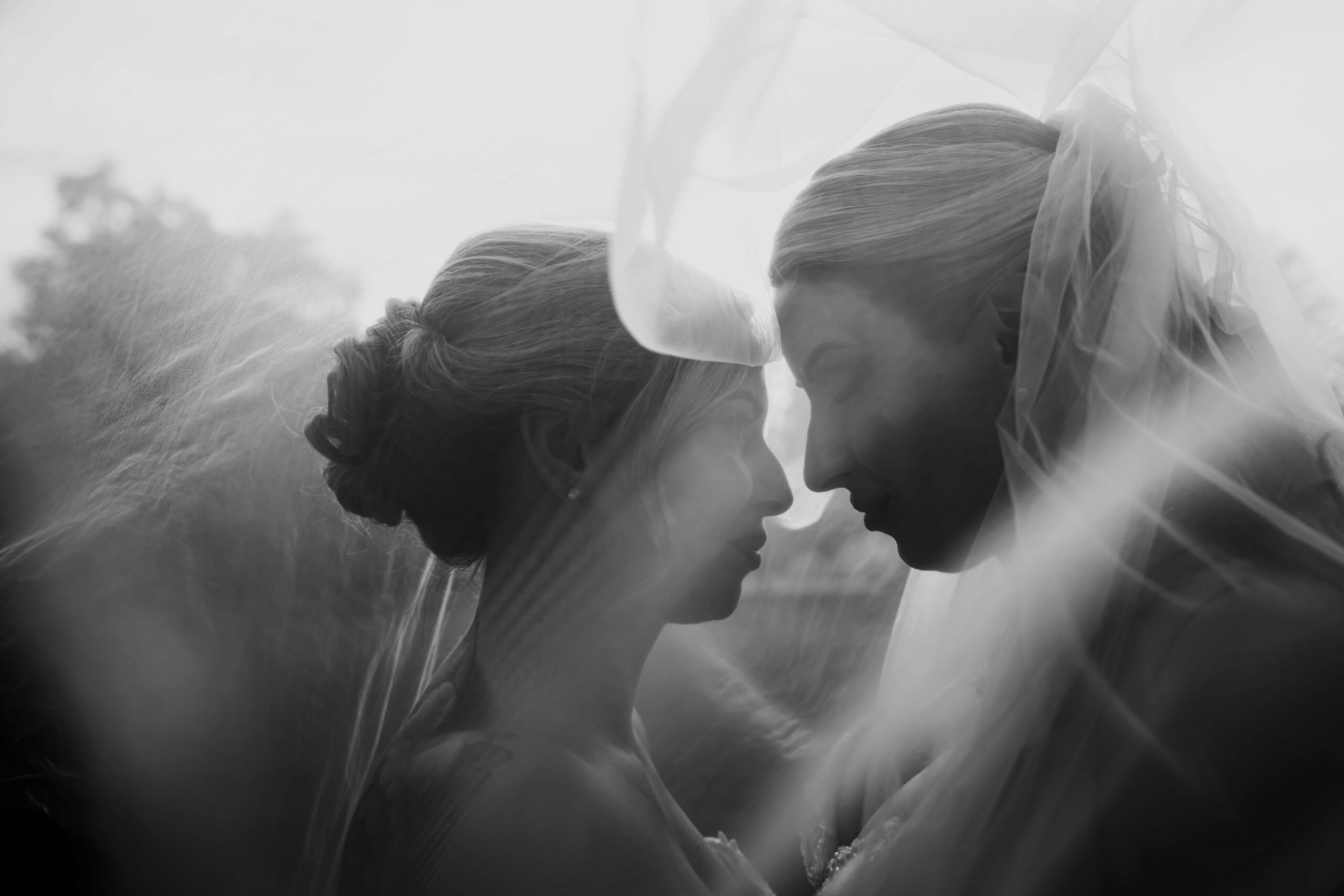
A rain-softened drive, candlelight reflected in cut crystal, the quiet second before you walk into the ceremony – these are the details that give a wedding its particular atmosphere. Searching for a film wedding photographer UK couples can trust is rarely just about a beautiful look. It is about finding an artist who can preserve the feeling of the day with sensitivity, intention and style.
Film has a rare way of holding light, texture and emotion. It can make an English country garden feel painterly, lend softness to a winter wedding in London, and render the warmth of a candlelit supper with an almost tangible depth. But the right photographer is not defined by their chosen medium alone. They are defined by how they see your love story, guide you through the day and create space for the moments that cannot be recreated.
What film photography brings to a wedding day
Film photography is beloved for its organic grain, gentle colour palette and luminous handling of light. There is a softness to a film image that feels deeply romantic without becoming overly polished. Skin tones tend to appear natural and flattering, while bright skies, florals and delicate fabrics are given room to breathe.
For weddings held in stately homes, private estates, manor houses and European châteaux, this quality can be especially compelling. The medium responds beautifully to layered interiors, aged stone, silk gowns and the changing tones of a British landscape. A film photograph does not simply record the visual elements of a celebration. It evokes its mood.
That said, film is not a shortcut to timeless imagery. A beautiful result depends on a photographer’s eye for composition, their understanding of light and their ability to anticipate human connection. The most memorable galleries hold both the grandeur of the setting and the smaller, soulful details: a parent steadying their breath before the ceremony, friends laughing in the garden, hands finding each other beneath the table.
Choosing a film wedding photographer in the UK
Begin with the work, not the camera. When you look through a photographer’s portfolio, ask yourself whether the images make you feel something. Do the photographs have movement and intimacy? Are the portraits elegant without feeling stiff? Can you imagine yourselves within that world?
A strong portfolio should show more than sunlit summer celebrations. British weddings ask a great deal of a photographer: low winter light, rain, dark panelled rooms, shifting weather and late-night dance floors. Look for consistency across different venues and seasons. A photographer who works confidently with film will understand when to embrace available light, when to use considered flash, and when digital capture is the wiser choice for a particular moment.
It is also worth paying attention to the balance between documentary and editorial imagery. The most refined wedding photography often moves naturally between the two. You may want the spontaneous emotion of your father seeing you ready for the first time, alongside beautifully directed portraits that honour the gown, the architecture and the care you have put into every detail.
The best direction feels calm and unobtrusive. Rather than being pulled away from your guests for long stretches, you are gently guided into flattering light, given a little room to settle, and then returned to the celebration. Your portraits should feel like a pause within the day, not a performance.
Look for a point of view, not a passing aesthetic
Film photography has become increasingly visible in the wedding world, which makes it tempting to choose purely on a particular edit or colour palette. Yet trends move quickly. A photographer’s point of view is what endures.
Look for a visual language that feels intentional: thoughtful framing, a sense of proportion, honest emotion and an appreciation for the details that matter to you. An art-directed approach can bring polish to the images without losing their life. It is the difference between a beautiful picture of a table setting and a photograph that lets you remember the anticipation of the room before dinner began.
Film, digital or a considered blend?
For many luxury weddings, a hybrid approach offers the most complete story. Film may be used for the romantic, light-filled moments: bridal preparations by a window, portraits in the gardens, ceremony details and the quiet rhythm of cocktail hour. Digital can offer additional flexibility once the light falls, during fast-moving events, or where a larger volume of coverage is needed.
There is no single right answer. If you are planning an intimate wedding with a relaxed schedule and a strong emphasis on atmosphere, more extensive film coverage may feel perfectly suited. If your celebration includes a late ceremony, a winter date, multiple locations or an energetic evening reception, a photographer who works fluently across both formats can give you greater reassurance.
Film is deliberate. Each frame is made with care, rather than taken in endless succession. That intentionality is part of its charm, but it requires experience, preparation and trust. Ask how your photographer approaches different lighting conditions and what their process looks like after the wedding. The answer should feel considered rather than prescriptive.
The questions that reveal the right fit
Beyond the portfolio, the relationship matters. Your photographer will be present during some of the day’s most personal moments, so their manner should put you at ease. A consultation is an opportunity to understand whether they listen well, whether they are curious about your plans, and whether their guidance feels aligned with your priorities.
Ask to see full wedding galleries, particularly from venues or seasons similar to your own. A highlight gallery shows an aesthetic; a complete gallery reveals storytelling, consistency and how a photographer manages the less predictable parts of a wedding day.
You may also wish to discuss the rhythm of portrait time, whether an engagement shoot would help you feel more relaxed in front of the camera, and how the photographer works with your planner and creative team. For destination celebrations, experience of travelling, adapting to unfamiliar locations and working around a multi-day schedule can be invaluable.
Most importantly, be honest about what you value. If candid photographs of family connection matter more than elaborate group shots, say so. If you have invested in fashion, flowers and an exceptional venue, share that too. The more your photographer understands the emotional and visual heart of the celebration, the more personal the final images will feel.
Consider the experience, not only the gallery
Exceptional wedding photography begins long before the first photograph. It lives in the thoughtful planning call, the reassuring timeline advice, the way a photographer notices when you need a quiet moment, and the confidence they bring when the weather changes without warning.
A limited-bookings photographer can offer focused attention from the early conversations through to the careful curation of your final gallery. This level of service is especially meaningful when you are planning a complex celebration, or when you want imagery that feels cohesive across a full weekend of events.
At Teri V Photography, film is approached as part of a wider visual language: documentary storytelling with fine-art portraiture and an editorial eye. The aim is never to make a wedding feel like a fashion shoot. It is to let the beauty already present in your day be seen with clarity, romance and restraint.
Your wedding photographs should bring you back to more than how everything looked. They should return you to the held breath before the vows, the warmth of your people gathered close, and the fleeting glances that belonged entirely to the two of you. Choose the photographer whose work makes you feel that before you have even met them – then allow them the trust and space to create something lasting.
+ view the comments
![Wedding couple during their ceremony at Hever Castle Loggia, with the lake behind them and guests seated in front. [Teri V Photography Wedding Timeline Guide]](https://terivphotography.co.uk/wp-content/uploads/2026/01/hever-castle-loggia-wedding-photographer-bride-groom-ceremony-1.jpg)


