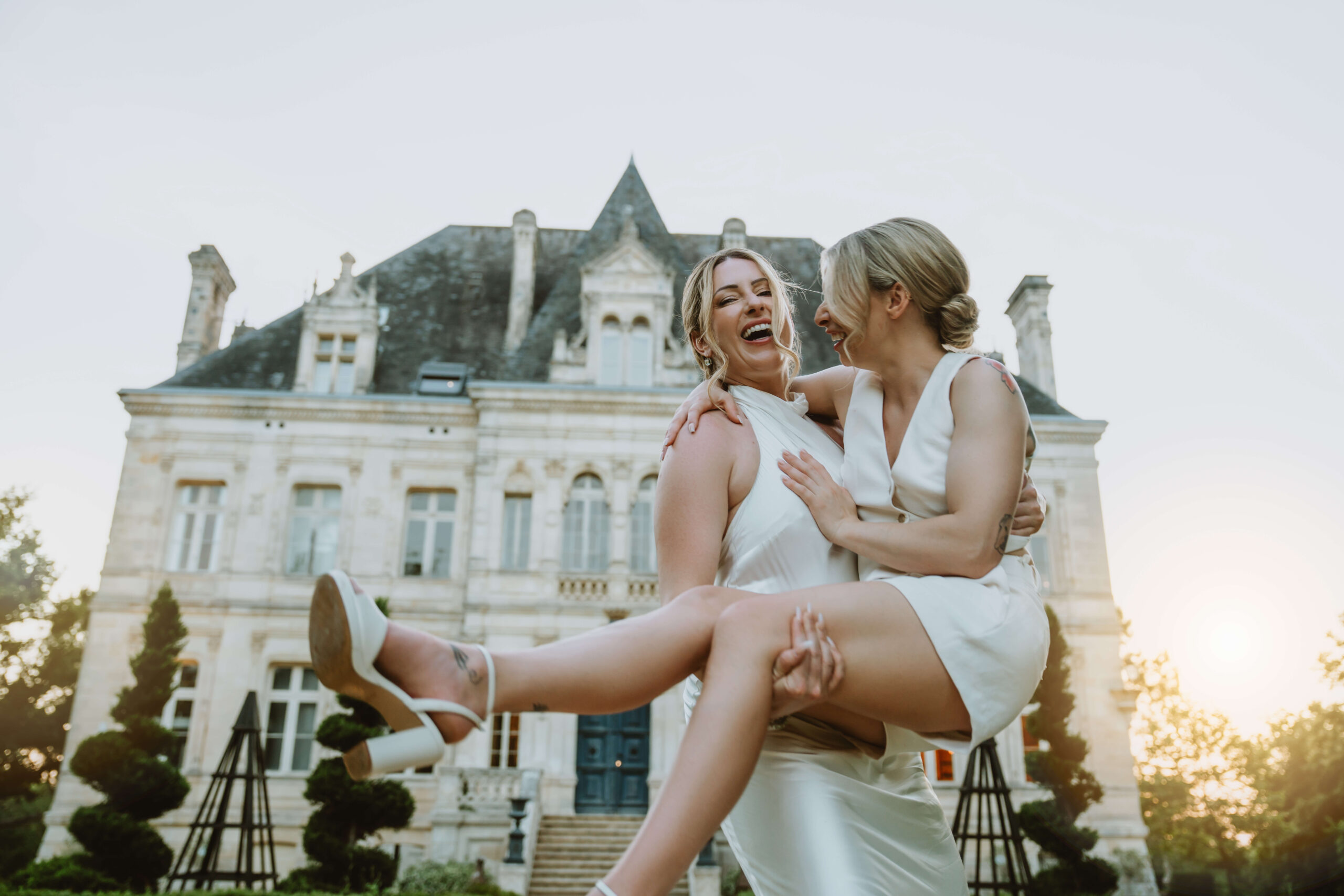
A destination wedding is no longer simply a beautiful party somewhere warmer. The most compelling destination wedding trends are shaping celebrations with a stronger sense of place, personality and feeling. Couples are choosing locations that mean something to them, building a considered guest experience around a long weekend, and allowing the landscape, architecture and light to lead the visual story.
For style-conscious couples, this is welcome news. The most memorable weddings abroad do not feel copied from a mood board. They feel like two people, their closest circle and one extraordinary setting coming together in a way that could not be repeated anywhere else.
Destination Wedding Trends for 2026
Intimate guest lists, richer experiences
The guest list continues to become more intentional. Rather than inviting everyone they have ever known, many couples are hosting a smaller gathering and investing deeply in the moments they share with each guest. Think a welcome supper beneath citrus trees, a slow afternoon by the pool, or a candlelit final dinner after the wedding itself.
This does not mean every destination wedding has become small. Grand celebrations still have their place, particularly in historic Italian villas, French chateaux and coastal estates. Yet even larger weekends are being designed to feel personal. A beautifully chosen table plan, a handwritten note at each place setting and time carved out for genuine conversation can make a significant celebration feel intimate.
From a photographic perspective, a longer celebration offers something precious: space. The anticipation at the welcome dinner, the unguarded laughter at brunch, the quiet morning before preparations begin – these are often the images that give a wedding gallery its soul.
A sense of place over a themed aesthetic
Couples are moving away from transporting the same design scheme across the world. Instead, they are allowing the destination to guide their decisions. In Provence, that may mean faded plaster walls, olive branches and an unhurried aperitif hour. On the Amalfi Coast, it may be hand-painted ceramics, terrace views and the drama of late-afternoon light. In Mallorca, sculptural florals might sit alongside warm stone, local fruit and sea-blue linen.
The result is not necessarily rustic. It can be exquisitely polished. The difference lies in restraint and relevance. A fashion-forward tablescape feels more sophisticated when it has a conversation with its surroundings, rather than competing with them.
This approach also creates photographs with longevity. A celebration rooted in its venue and region will feel evocative years later, rather than tied to a passing social media moment. It is the difference between an image that is merely pretty and one that immediately returns you to the heat in the air, the sound of glasses clinking and the particular glow of that evening.
Fashion with movement and meaning
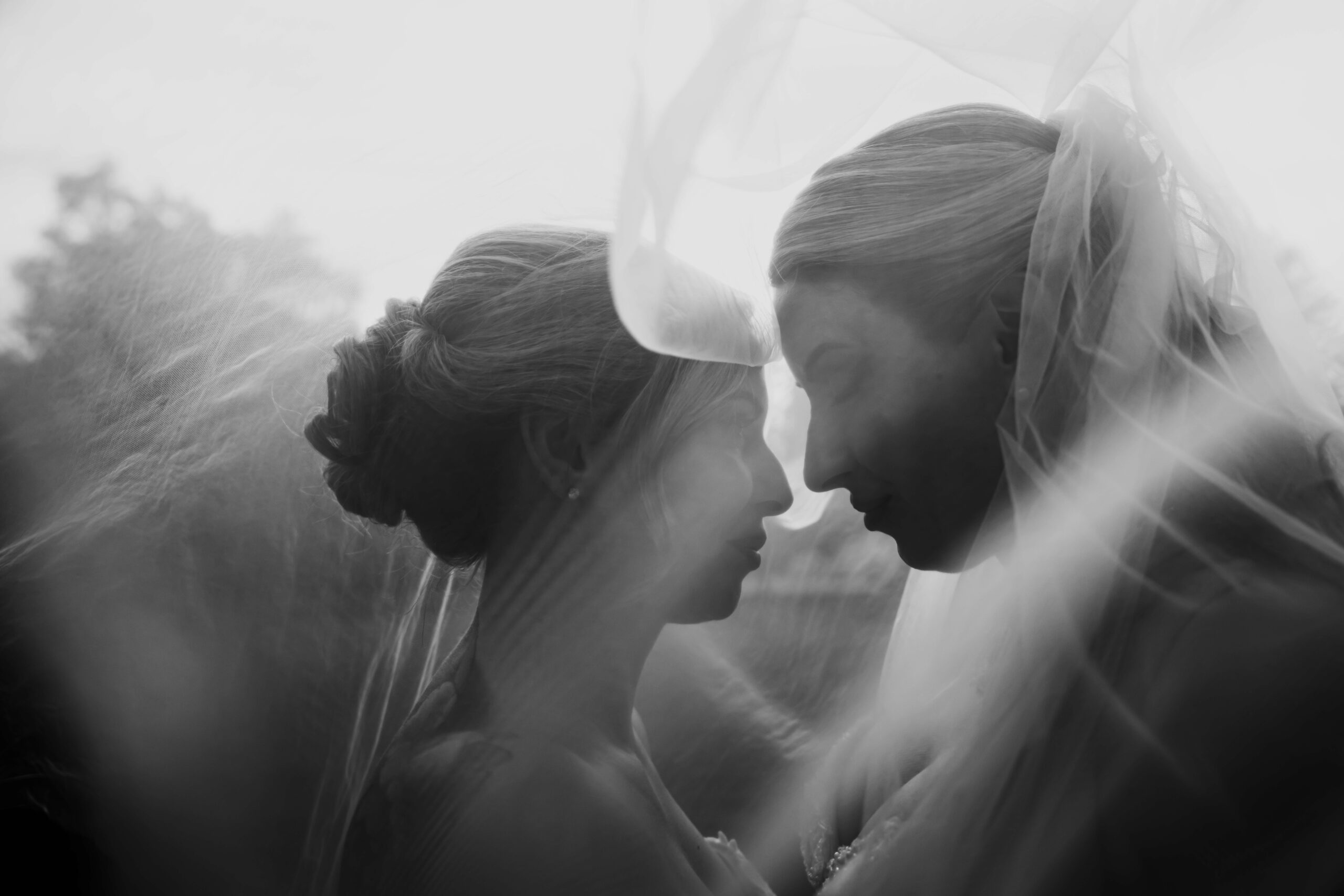
Bridal fashion is becoming more expressive, but less prescriptive. Alongside classic silk gowns and immaculate tailoring, there is a growing appetite for a second look, a vintage piece, an heirloom jewel or a surprising accessory that feels entirely personal. Veils remain romantic, particularly when they catch a coastal breeze or move through the corridors of a grand old property, but they are no longer the only route to drama.
For destination celebrations, movement matters. A gown may be breathtaking in a London showroom, yet need a different kind of consideration when there are stone steps, high temperatures, salt air or a boat journey involved. The best choices balance silhouette with comfort, allowing you to inhabit the day rather than manage your outfit through it.
Grooms are also embracing a more editorial approach: relaxed tailoring for a Mediterranean welcome evening, a dinner jacket for a formal reception, or a beautifully cut suit in a tone that belongs to the landscape. The aim is not to look styled for the sake of it. It is to feel like the most elevated version of yourselves.
Film, flash and a more tactile visual language
The desire for imagery that feels lasting rather than overly perfected is influencing the way couples want their weddings documented. Film photography, direct flash after dark and a gentle editorial sensibility are all part of the visual language appearing across destination celebrations.
There is a reason this resonates. Digital images can be impeccably clean, but film brings softness, texture and a certain unpredictability that feels deeply human. The grain in a twilight portrait or the gentle rendering of sunlit skin can hold the atmosphere of a place in a way that is difficult to imitate.
That said, photography should never become a trend-led performance. The strongest coverage balances artistry with observation: the spontaneous embrace before the ceremony, the nervous hands during speeches, the spectacular fashion portrait created in two quiet minutes of beautiful light. A photographer should know when to guide and when to disappear.
The after-dark celebration becomes part of the story
Once the formalities are over, couples are giving the evening its own visual identity. Candlelight, mirrored surfaces, a dramatic first dance, a live band and a late-night change of outfit can transform the atmosphere entirely. These moments are less about spectacle for its own sake and more about release. After months of planning, everyone is finally together, fully present and ready to celebrate.
Lighting is central here. It is worth discussing the dinner and party atmosphere with your planner, florist and photographer early on. Hundreds of taper candles may look magical in person, while carefully placed ambient lighting ensures faces, movement and the architecture are equally beautiful on camera. The most successful after-dark images retain the mood without losing the people within it.
Designing a weekend, not just a wedding day
The shift towards multi-day hosting is one of the most enduring destination wedding trends. Guests have travelled, sometimes across continents, and couples want to make that journey feel worthwhile. The experience might begin with a casual beach gathering or terrace dinner, continue with the wedding day, then soften into a relaxed farewell lunch.
There is no requirement to programme every hour. In fact, over-scheduling can make a destination weekend feel more like an itinerary than a celebration. Leave room for a swim, a late breakfast or an impromptu drink in the hotel bar. The best memories often happen in the spaces between the planned moments.
A useful starting point is to consider the emotional rhythm. Welcome guests warmly. Give the wedding day its sense of occasion. Then create a final moment that allows everyone to exhale. This simple arc feels generous and gives your photography a fuller, more layered story to tell.
What is worth prioritising
A remarkable setting can carry much of the aesthetic, but practical decisions still protect the experience. If you are marrying abroad, choose suppliers who understand the venue, local timing and climate. Ask what the light is like at your ceremony hour, how guests will move between spaces and what happens if the weather changes. On a very hot day, a later ceremony may be more comfortable and more flattering in photographs. At a countryside venue where evenings cool quickly, beautiful wraps and a considered indoor alternative can keep the celebration flowing.
It is also wise to protect time for the two of you. A destination wedding often brings more people, more movement and more temptation to fill every minute. Ten calm minutes after the ceremony, a short sunset walk, or a pause before entering dinner can become some of the most meaningful parts of the day. They also create room for the portraits that feel natural, romantic and entirely unforced.
The same principle applies to your photographer. Choosing someone whose work you trust means you can remain immersed in the celebration, knowing the fleeting details and larger scenes are being held with care. Teri V Photography approaches destination commissions with that balance in mind: refined direction where it serves the image, and instinctive documentary storytelling where the moment needs to remain untouched.
The most beautiful destination weddings in 2026 will not be defined by one colour palette, one venue or one viral detail. They will be remembered for the feeling they create: a place chosen with intention, people gathered with love, and a celebration that gives everyone permission to be fully there.
+ view the comments