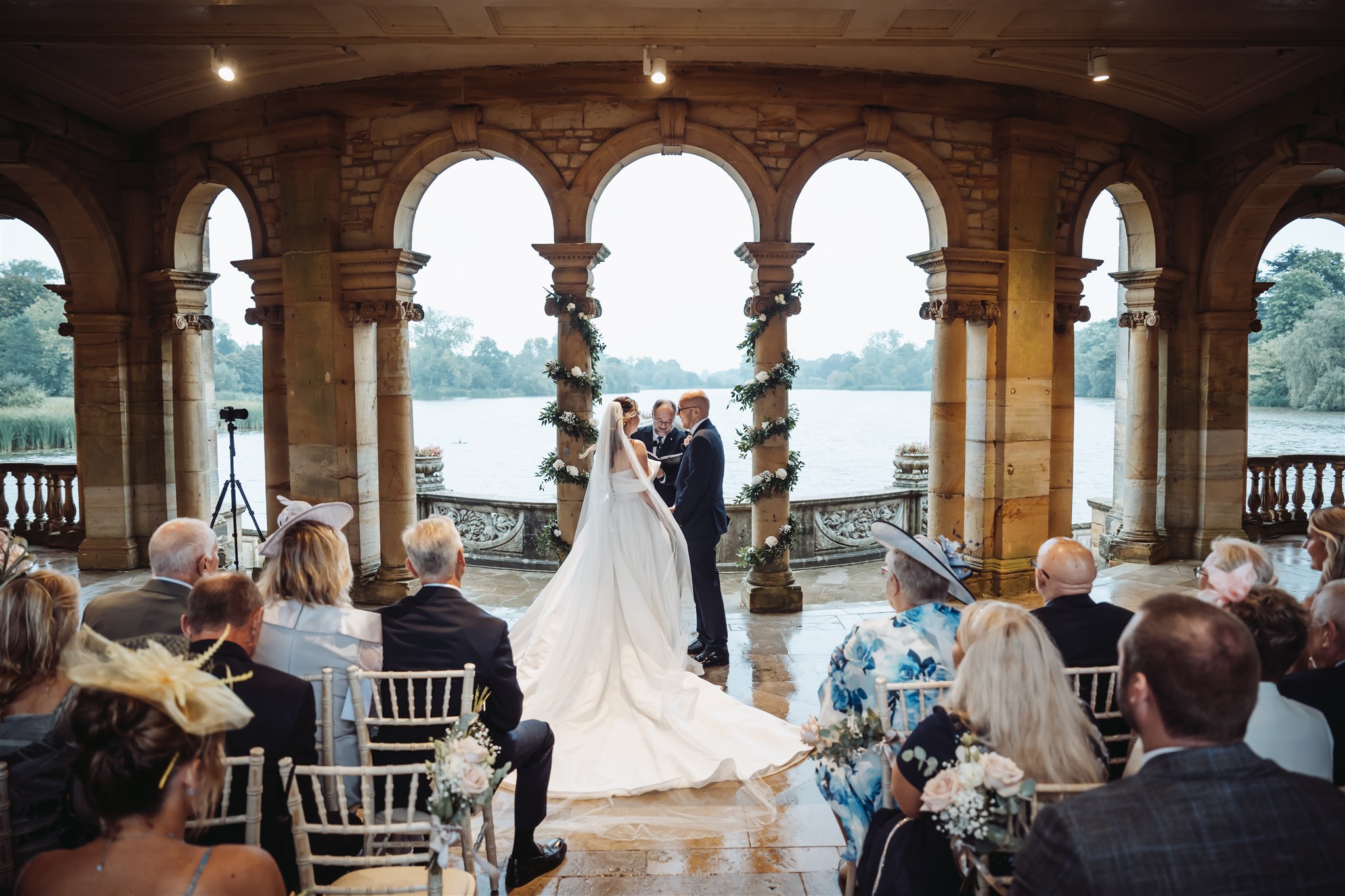
A beautiful wedding gallery is rarely made by technical knowledge alone. It is made in the quiet decisions: where you stand as a father sees his daughter for the first time, how you shape five unhurried minutes of portraits in difficult light, and when you put the camera down because the moment deserves space. Photography mentorship should help you make those decisions with greater clarity, confidence and creative intention.
For photographers building a thoughtful, profitable wedding business, the right guidance is not about copying another person’s preset, poses or Instagram grid. It is about being seen properly in your work, your ambitions and the patterns that may be holding you back. That requires honesty, discernment and someone who understands the particular pressure of creating art while leading a live, emotional event.
Photography mentorship is more than a portfolio review
A portfolio review can be useful, but it is only one conversation. A meaningful mentorship looks beneath individual images to understand how you work, what you want your work to say and whether your business supports the life and level of artistry you are trying to create.
Perhaps your photographs are technically polished but lack emotional depth. Perhaps your candid work is strong, yet your portraits feel hurried or disconnected from the atmosphere of the day. Or perhaps your imagery has found its voice, but your enquiries do not reflect the calibre of weddings you want to photograph. These are not problems solved by one new lens or a better editing workflow.
A considered mentor helps you identify the real question. They should be able to articulate what is already distinctive in your work, as well as where it becomes predictable, overworked or visually uncertain. That combination of encouragement and precise critique is where progress begins.
There is also a difference between feedback that is merely flattering and feedback that is useful. The latter may ask why every frame is made from the same distance, why certain moments feel observed rather than felt, or whether your current brand speaks to the couples you most want to serve. It should be direct, but never diminishing.
Finding your visual language without borrowing someone else’s
Wedding photography is full of visual references. Editorial fashion, old cinema, family albums, magazine layouts, fine art, documentary images and the shifting language of social media all have their place. The challenge is not finding inspiration. It is learning how to filter it through your own eye.
A good mentor will not hand you a formula and ask you to repeat it. They will help you notice your instincts. You may be drawn to gesture, negative space, painterly light, movement or the small, unguarded exchanges happening at the edge of the room. Those preferences are clues to a visual language that can become recognisably yours.
This is especially valuable for photographers who love both documentary work and refined portraiture. The two do not need to compete. You can create photographs that feel spontaneous and soulful while also making elegant, considered images worthy of a beautiful album. The key is learning how to guide without over-directing.
At a luxury wedding, calm direction is part of the experience. Couples want to feel held, not managed. They need confidence that the portraits will be extraordinary, but they also want to be present with their guests and immersed in their celebration. Mentorship can refine how you communicate, pose, observe and move through a day so that your creative process feels assured rather than performative.
Critique should be specific enough to change your next wedding
Vague advice such as “shoot with more intention” can sound inspiring, but it does little on its own. Strong critique becomes practical. It might reveal that you need to arrive at portraits with two clear lighting options, to edit with more restraint, or to stop photographing every moment at eye level.
It may also look at sequencing. A gallery is not simply a collection of the strongest individual frames. It is a love story with rhythm. The anticipation of morning preparations, the stillness before a ceremony, the release of the confetti, the candlelit energy of dinner and the joy of the dance floor all need room to breathe. Learning to edit for feeling, not just perfection, changes the way clients remember their day.
The business conversations that deserve more attention
Many photographers seek education because they want to book more weddings. That is understandable, but a fuller diary is not always the answer. If your pricing, boundaries and client experience have not evolved alongside demand, more bookings can simply mean more exhaustion.
The commercial side of photography deserves the same care as the creative side. A mentor with real experience can help you examine whether your collections reflect the value of your time, whether your enquiry process feels personal, and whether you are communicating your expertise with quiet confidence. For photographers moving towards the premium market, this often means letting go of language that apologises for the investment.
It can also mean becoming more selective. A limited number of commissions allows space for preparation, creative attention and a thoughtful client journey. It is not the right model for every business, particularly when you are establishing yourself and need volume to gain experience. But it is worth considering if your ambition is to offer a more bespoke service and protect the quality of your work.
There are practical matters, too: contracts, timelines, supplier relationships, destination logistics, second photographer direction and post-wedding workflow. They may not be the most romantic parts of the profession, yet they create the foundation from which better work can be made. When the process is organised, you can be fully attentive when a fleeting moment unfolds in front of you.
How to choose a photography mentor
Choose a mentor whose work you respect, but do not choose on aesthetic alone. The most striking Instagram feed cannot tell you whether someone can teach, listen or offer advice that suits your stage of business. Look for a photographer whose career reflects the kind of work, clients and balance you genuinely want.
Before committing, be clear about what you need. Are you struggling to create a coherent portfolio? Do you want to move from photographing every wedding available to attracting more aligned clients? Are you technically capable but creatively stuck? A focused question gives the session purpose and allows you to judge whether the mentor has the experience to answer it.
The most valuable mentorships tend to include frank conversation, detailed image feedback and space to explore the wider context of your business. You should leave with a small number of clear actions, rather than an overwhelming list of things to fix. Progress is rarely dramatic in one afternoon. It is built in the choices you practise at the next wedding, then the next.
Be wary of programmes that promise a guaranteed income, a signature style in a few weeks or a shortcut around experience. Wedding photography asks for emotional intelligence, visual awareness and stamina. There is no substitute for photographing real people in real light, under real time pressure. Mentorship can shorten the period of uncertainty, but it cannot remove the work that makes you trustworthy.
Come prepared to be challenged
The value you receive is shaped by how honestly you arrive. Bring galleries you are proud of, but bring the ones that unsettled you too. Share the enquiries you did not convert, the website copy that feels unlike you, the pricing conversation you avoid and the type of wedding you quietly hope to photograph one day.
It helps to prepare a concise selection of full wedding work rather than only highlight images. A mentor needs to see how you handle the difficult middle: mixed light, family formals, speeches, rain, crowded rooms and transitions. This is where consistency is revealed.
Ask questions that go beyond equipment. Ask how to make portraits feel more natural, how to build trust with a couple before the wedding, how to stay creatively alert during a long day, or how to create imagery that feels elevated without losing its humanity. The answers may not always be comfortable, but they can be transformative.
A thoughtful photography mentorship does not give you a borrowed identity. It gives you a clearer way back to your own. Let the advice settle, take what serves the work you want to make, and let your next wedding be the place where that learning becomes visible.
+ view the comments