
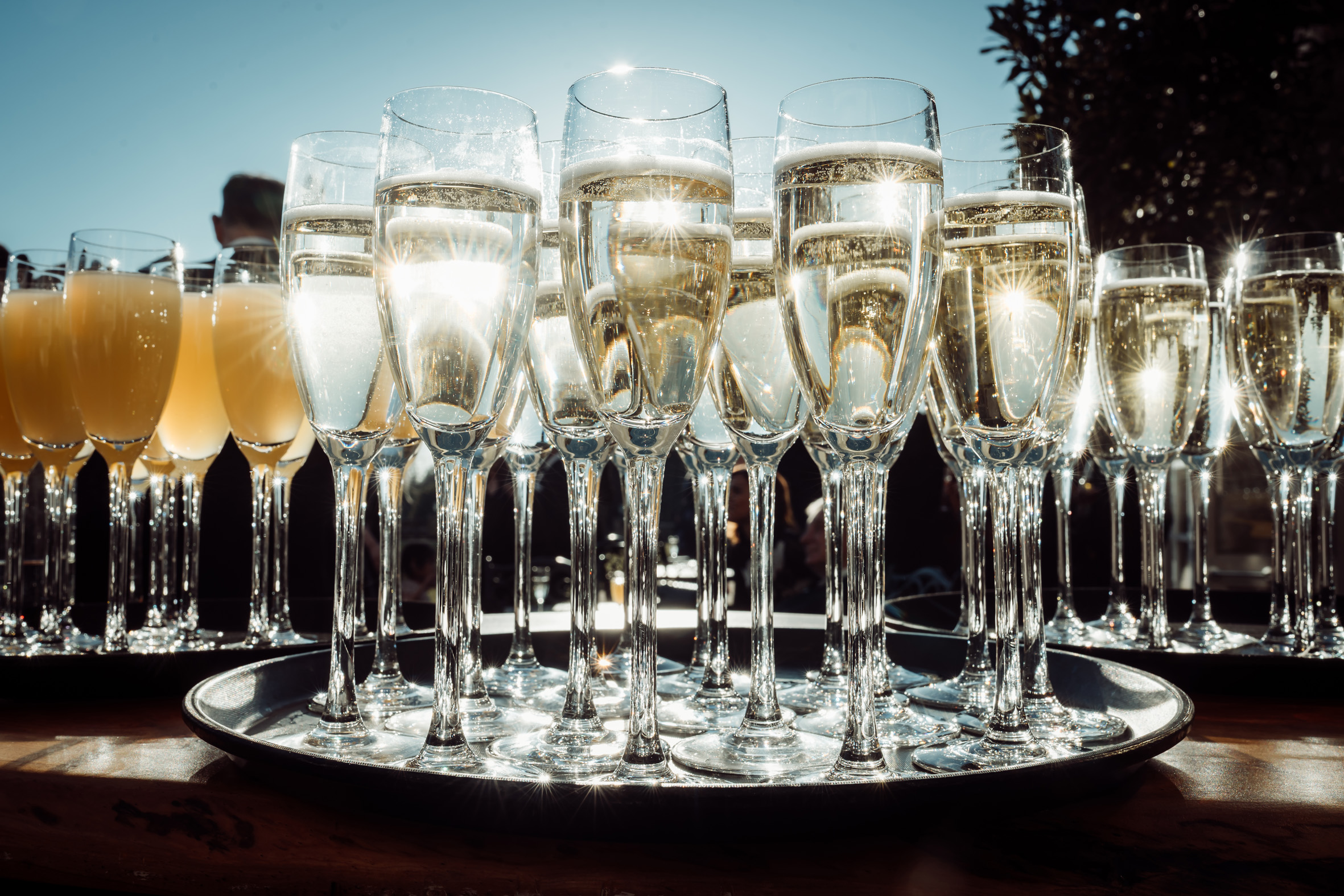
A champagne glass raised just before dinner. Your father seeing you in your dress for the first time. The soft chaos of friends gathering on the dance floor. When considering documentary vs editorial wedding photography, the real question is not which style is better. It is how you want your wedding to feel when you return to it, years from now.
For many couples, the most beautiful answer is not one approach or the other. It is a thoughtful balance of instinctive storytelling and considered, fashion-informed imagery: photographs with real feeling, composed with intention.
Why the distinction matters
Wedding photography is often described in broad, beautiful terms: natural, timeless, romantic, editorial. Yet these words can mean very different things in practice. Understanding the approach behind them helps you choose a photographer whose way of working feels as good as the finished photographs look.
Documentary photography is rooted in observation. It notices what unfolds without asking the moment to pause, repeat or perform. Editorial photography is more directed and deliberate. It brings shape, light, composition and a refined visual point of view to the day.
Neither approach has to feel rigid. A documentary photographer can create exquisite portraits, while an editorial photographer can capture deeply unguarded emotion. The difference lies in where the photographer places their attention, and how much guidance they offer along the way.
Documentary wedding photography: the feeling between the moments
Documentary wedding photography is about the life of the celebration as it naturally happens. It preserves the affectionate glance across the ceremony, the nervous laughter during speeches, the quiet squeeze of a hand, and the glorious, unplanned energy that makes every wedding entirely its own.
This style is particularly meaningful for couples who want to be present with the people they love. Rather than spending large parts of the day being positioned, you are free to move through it. The photographs are built from observation, anticipation and a sensitivity to the emotional rhythm of the room.
The finest documentary work is not simply a collection of candid images. It requires experience, discretion and an instinct for significance. A photographer must read a scene quickly, understand where the light will fall, and recognise the fleeting expressions that might otherwise pass unnoticed.
At a country estate wedding, this may mean capturing the flower girl asleep against a velvet chair during dinner, your grandparents sharing a private smile, or the sudden rush of confetti as you emerge into the afternoon light. At a destination celebration, it may be the breeze lifting your veil on a terrace, a late-night embrace beneath the stars, or guests pouring into the street after an unforgettable dinner.
The trade-off is that documentary coverage cannot promise every image will have the precision of a magazine fashion spread. Real moments are not always delivered in perfect light or against a perfectly empty backdrop. Their beauty is in their truth.
Editorial wedding photography: considered, elegant and art-directed
Editorial wedding photography takes inspiration from the pages of fashion and design publications. It pays close attention to composition, styling, architecture, gesture and light, creating imagery that feels polished without losing its warmth.
This can include beautifully composed photographs of your dress, stationery, flowers and tablescape, as well as portraits that feel poised, luminous and effortlessly sophisticated. An editorial eye sees the curve of a staircase, the texture of old stone, the drama of a château doorway or the clean lines of a London townhouse, and uses those elements to give your photographs a strong visual language.
For style-conscious couples, this approach can be especially appealing. You have invested in the details: the silk, the florals, the candlelight, the setting, and the atmosphere you have so carefully created. Editorial photography honours that artistry. It documents not just what was there, but how it felt to see it all come together.
Importantly, editorial does not need to mean stiff. The most enduring portraits are gently guided rather than over-posed. A quiet prompt, a thoughtful choice of location and a few unhurried minutes can create photographs that feel elevated while still looking unmistakably like you.
The trade-off here is time and attention. Considered portraits benefit from space in the timeline, particularly around the softer light of late afternoon or early evening. For couples who would rather avoid any direction at all, a purely editorial approach may feel more involved than they would like.
Documentary vs editorial wedding photography: choosing the balance
The most compelling wedding galleries often hold both approaches in harmony. They have the emotional charge of real life and the visual confidence of an art-directed story. You might have a romantic portrait framed by the grand entrance of your venue, followed by an unprompted image of your friends laughing so hard they forget the camera is there.
This balance is ideal if you want your photographs to feel beautiful enough to frame, yet honest enough to transport you back to the day. It allows for the grandeur of a black-tie celebration and the intimacy beneath it. Your gallery becomes more than a record of events. It becomes a visual memory of the atmosphere, relationships and small details that gave your wedding its soul.
At Teri V Photography, the approach is rooted in documentary storytelling, elevated by fine art portraiture and an editorial sensibility shaped by fashion art direction. The intention is never to turn your wedding into a production. It is to create the space for exceptional imagery while protecting the ease, joy and intimacy of your experience.
What this looks like on your wedding day
A balanced approach begins quietly. During preparations, there is time to photograph the stillness of the room, the anticipation between friends, and the details you have chosen with care. There may be gentle guidance to place your dress in flattering light or style your heirloom jewellery beautifully, but the mood remains calm and unforced.
Through the ceremony and drinks reception, the focus shifts to the unscripted. You should not need to wonder where the photographer is or feel that you must perform for the camera. The embraces, tears, laughter and spontaneous celebrations are allowed to unfold naturally.
Portraits are then woven into the rhythm of the day rather than imposed upon it. This might be a short, relaxed moment after the ceremony, followed by a few minutes at sunset when the light softens and you can breathe together. With thoughtful direction, even couples who say they feel awkward in photographs often find these moments surprisingly easy. The best portraits are rarely about knowing what to do with your hands. They are about feeling comfortable enough to be yourselves.
Later, after dinner, the energy changes again. The editorial eye may find the glow of candlelight, the drama of your reception space or the movement of a first dance, while documentary instinct catches the uninhibited celebrations around you.
Questions worth asking before you choose
When you meet a potential photographer, look beyond a handful of favourite images. Ask to see full wedding stories, from morning preparations through to the evening. Notice whether the photographs retain their feeling across changing light, unpredictable weather and lively rooms. A beautiful portrait matters, but so does the ability to tell the whole story with consistency.
It is also worth asking how they work with couples who are camera-shy, how much time they recommend for portraits, and whether they can work confidently within the rhythm of your plans. If you are hosting a multi-day celebration in the Cotswolds, a London wedding with a tightly considered schedule, or a celebration abroad where the landscape is part of the experience, the photographer should understand how to adapt without losing their signature.
Most of all, pay attention to how their work makes you feel. Do the photographs feel intimate or distant? Refined or overly controlled? Full of life or simply aesthetically pleasing? Your photographer will be close to some of the most emotionally significant moments of the day. Their presence matters as much as their portfolio.
Choose the approach that gives you permission to enjoy your wedding fully: present with your people, confident in the beauty around you, and certain that the moments you might miss will be held with care.
+ view the comments
![Wedding couple during their ceremony at Hever Castle Loggia, with the lake behind them and guests seated in front. [Teri V Photography Wedding Timeline Guide]](https://terivphotography.co.uk/wp-content/uploads/2026/01/hever-castle-loggia-wedding-photographer-bride-groom-ceremony-1.jpg)


