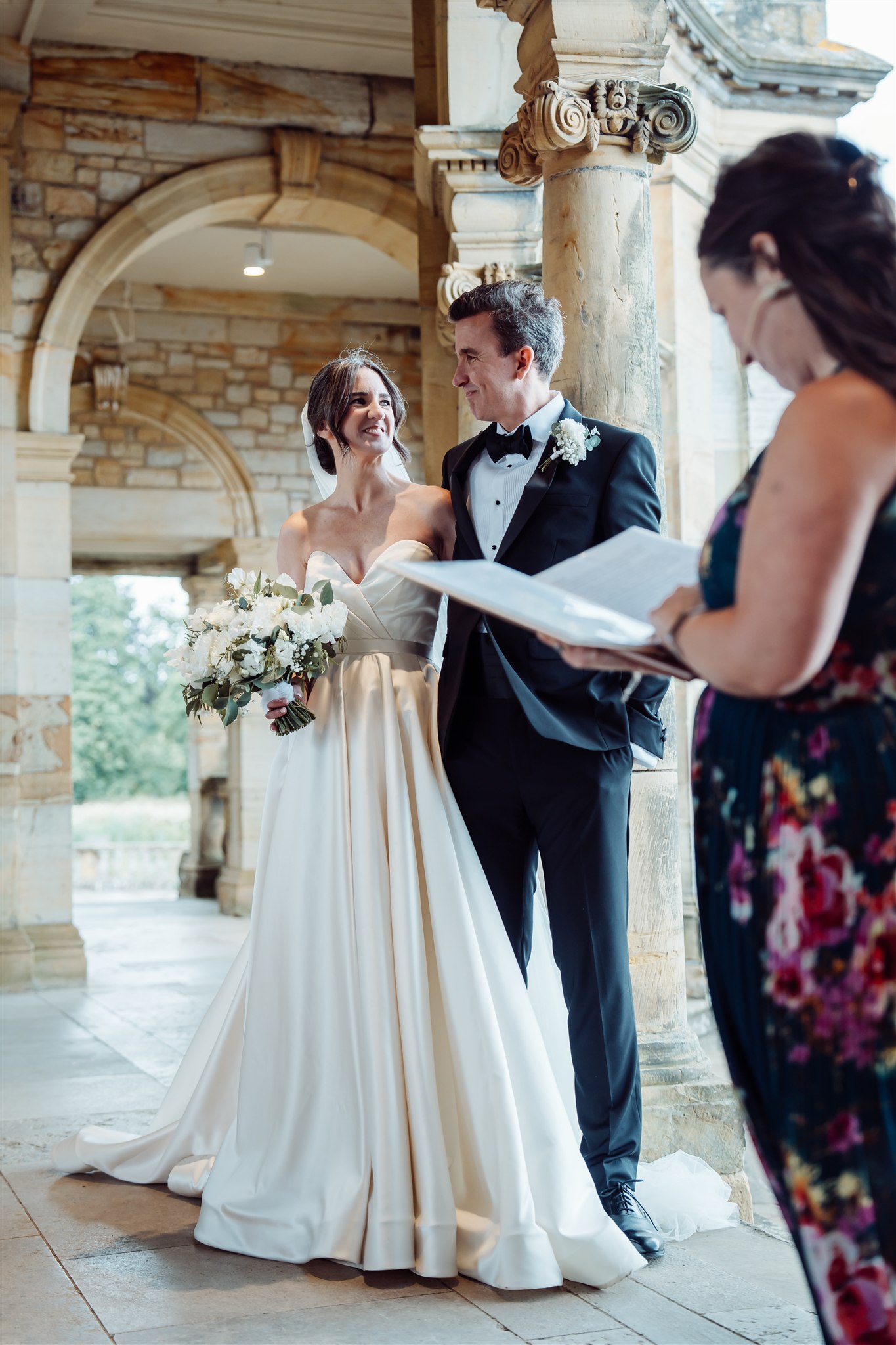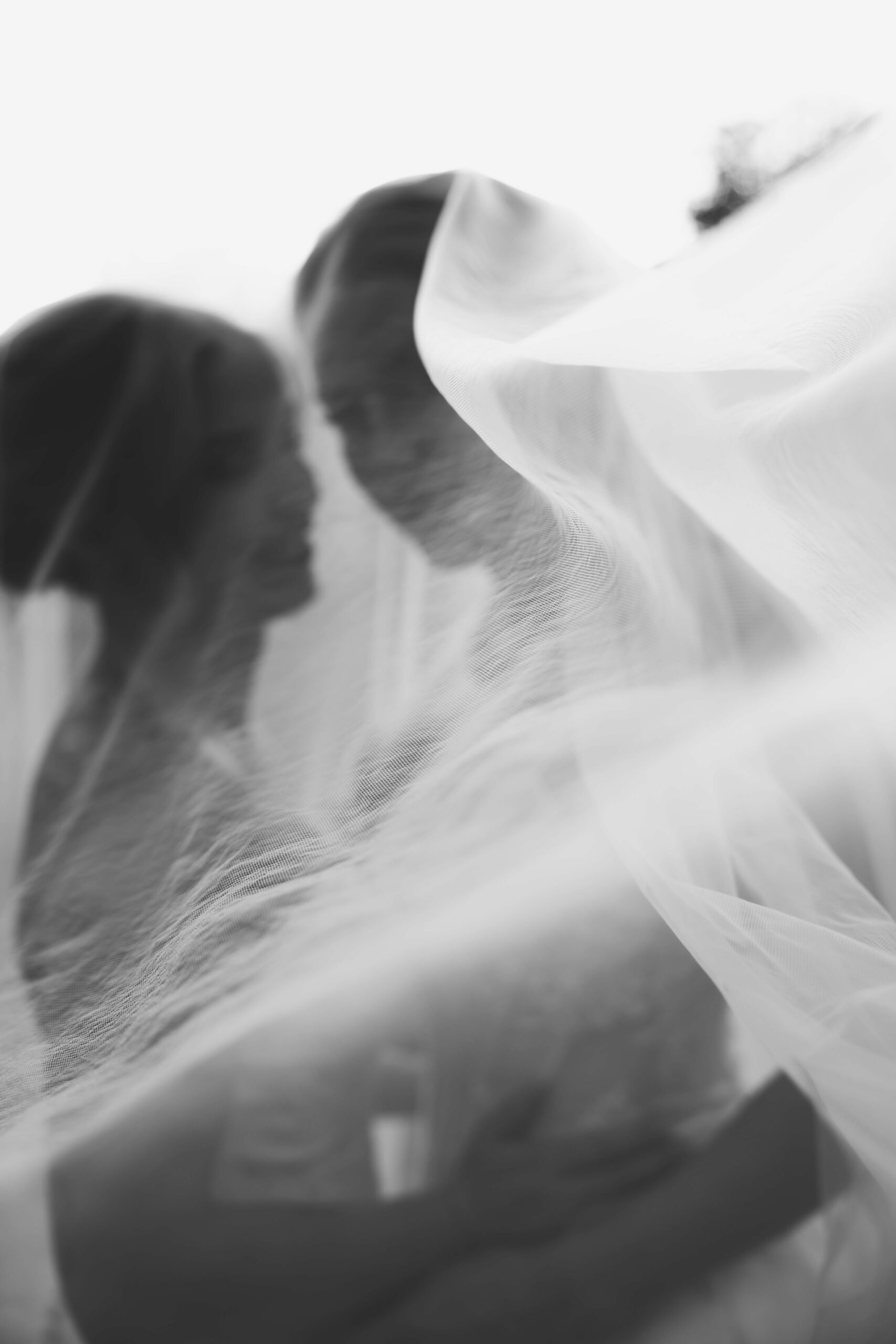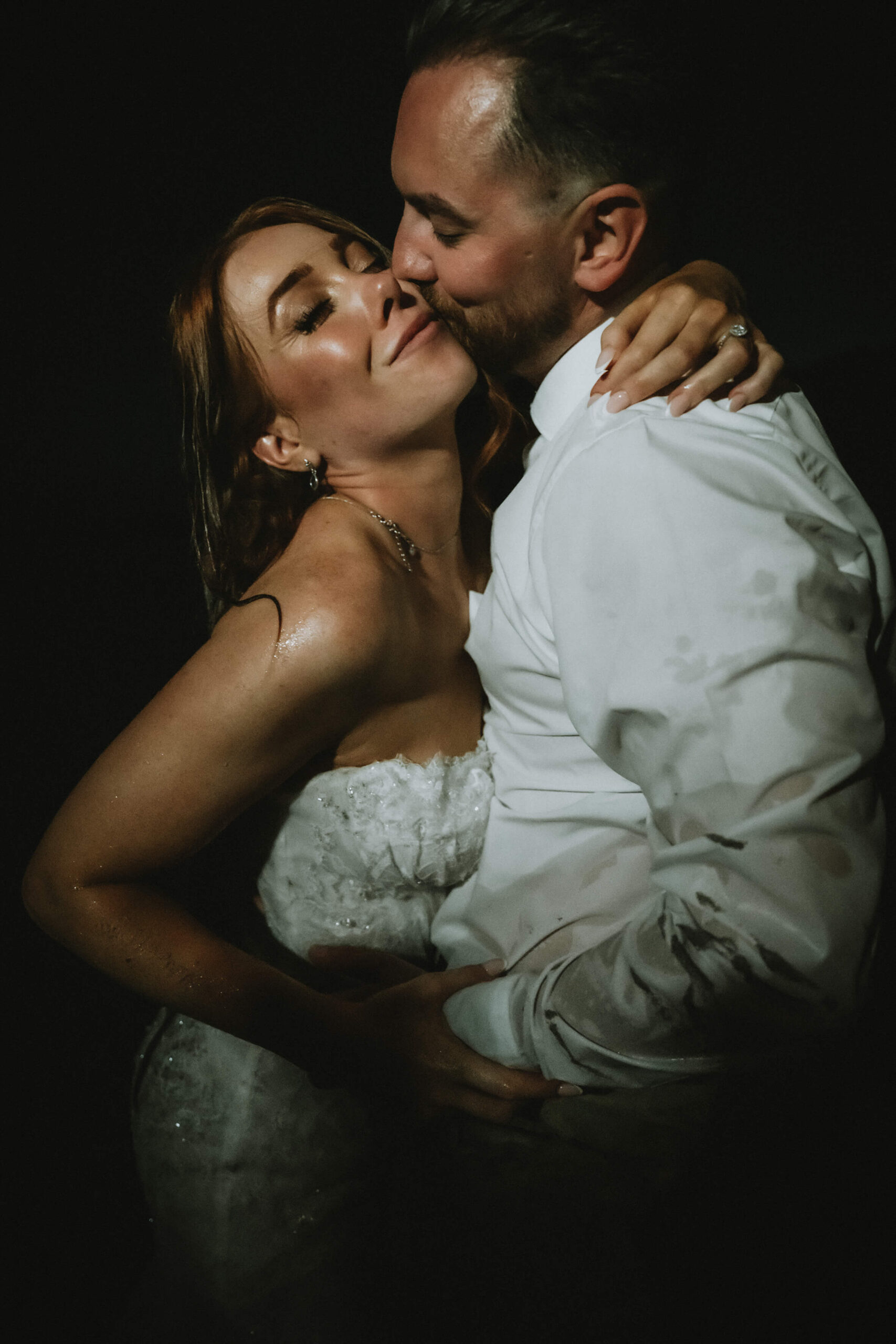
A wedding can be exquisitely styled and still feel deeply personal. That is the quiet power of editorial wedding planning: it gives your celebration a clear visual point of view, while leaving room for the glances, laughter and happy unpredictability that make it unmistakably yours.
For couples drawn to the considered beauty of a fashion story but wary of a day that feels over-produced, the aim is not perfection for perfection’s sake. It is atmosphere. It is choosing details that belong together, creating space for emotion, and allowing every visual decision to support the feeling you want to remember.
What editorial wedding planning really means
Editorial is often mistaken for a rigid, highly posed aesthetic. In truth, the most compelling editorial weddings feel intentional rather than overly controlled. They have a strong sense of composition, proportion, colour and texture, but they never ask the couple to perform a version of their love story that does not feel true.
Think of the pages of a beautifully art-directed magazine: the light is considered, every object earns its place, and the styling has a point of view. Now add the warmth of a family gathering, the nerves before the ceremony, a champagne-fuelled speech and a dance floor that becomes increasingly less polished as the evening unfolds. This is where editorial planning becomes soulful rather than simply stylish.
It can take many forms. A London townhouse wedding might lean into sculptural florals, candlelit tables and a sharply tailored dinner jacket. A Sussex country estate might call for gathered garden flowers, soft neutrals and a silk gown moving through long grass. A celebration in Italy or France may embrace faded stone, late-afternoon sun and a more relaxed sense of grandeur. The visual language should respond to the place, season and, above all, the two of you.
Begin with a feeling, not a Pinterest board
Before discussing flower varieties, linen swatches or stationery stock, decide how you want the day to feel. Perhaps you want it to be intimate and cinematic, joyful and sun-washed, formal with a little irreverence, or romantic in a quietly European way. A useful starting point is to imagine the photographs you would want to frame decades from now. What is happening in them? How does the room feel? What are you wearing, holding, hearing?
This emotional direction becomes a filter for every choice that follows. It prevents the common trap of collecting individually beautiful ideas that do not quite belong together. A grand venue does not automatically require maximal styling, and a restrained palette does not have to feel plain. Often, the most luxurious decisions are the most edited ones.
Choose three or four words that capture your vision, then share them with your planner, florist, stationer, stylist and photographer. When each creative understands the atmosphere you are building, the work begins to feel connected. The result is not a collection of suppliers working alongside one another, but a team shaping one complete experience.
Let the venue lead
The venue is more than a backdrop. It has its own palette, rhythm and scale, and the best design works with those qualities rather than concealing them. A historic manor house may already offer patina, rich timber and architectural drama. It may need little more than exceptional flowers, beautiful candlelight and thoughtful tablescaping. A contemporary space, by contrast, can offer a cleaner canvas for bolder colour, sculptural forms or an installation with real impact.
Visit at the same time of day as your celebration if possible. Notice where the light falls, how guests will move between spaces and which corners naturally invite a portrait. These practical details matter creatively. They influence everything from the ceremony position to whether your drinks reception feels expansive, intimate or slightly rushed.
Create visual continuity without making everything match
Editorial wedding planning is about cohesion, not uniformity. Your ceremony, tables, stationery, fashion and photography should feel as though they inhabit the same world, but that does not mean every detail needs to repeat the same shade or motif.
A more nuanced approach is to echo materials and mood. If your invitation suite features handmade paper and delicate ink illustration, perhaps the tables include tactile linen, fruit with a painterly quality and softly crumpled silk ribbon. If your fashion is clean and modern, you might introduce sculptural vessels, monochrome menus and minimal floral forms. Repetition becomes a whisper rather than a shout.
Colour deserves particular care. Photographable palettes are often layered rather than literal: cream, oyster and soft tobacco; antique rose, burgundy and plum; pale blue, butter yellow and fresh green. Consider how the colours will sit against the venue, skin tones, the bridal party and changing daylight. A single unexpected accent can make a restrained scheme feel current, while too many competing colours can make even expensive styling appear busy.
Put fashion at the heart of the story
Your clothing is one of the most expressive parts of the day, and it should feel in conversation with the setting. This is not a call to choose something dramatic purely for photographs. It is an invitation to select pieces that give you confidence and move beautifully when you walk, hug, dance and lean into the people you love.
Consider the complete silhouette rather than the gown or suit in isolation. The veil, shoes, jewellery, bouquet, tailoring and even the texture of a dinner jacket all influence the finished image. A fashion-forward look can be wonderfully effective, but comfort remains part of luxury. If you cannot sit, breathe, eat or dance with ease, the tension will eventually show.
For a more editorial finish, allow time for portraits without turning them into an endurance test. Fifteen calm minutes in beautiful light can produce imagery with all the polish of a campaign, particularly when you are able to be present with one another rather than watching the clock. The most elegant portraits rarely rely on complicated posing. They come from assured direction, good light and the connection already between you.
Plan for the photographs you cannot style
The carefully chosen details matter, but the images that become family heirlooms are often less predictable: a parent seeing you dressed for the first time, hands held under the table during dinner, a friend crying during a speech, the two of you taking a breath before entering the reception.
Build breathing room into the schedule. A day with no margin may look efficient on paper, yet it can leave no space for emotion to land. Allow a little longer for getting ready, travel, greetings after the ceremony and the transition into dinner. This protects the atmosphere for you and creates the conditions for documentary photographs that feel natural, generous and alive.
Light is equally worth planning around. If your ceremony is outdoors in summer, consider where the sun will be at the exact hour you exchange vows. If you dream of candlelit dinner photographs, plan a later dining time or speak with your venue about controlling overhead lighting. These are not minor production notes. They shape the mood of the entire visual narrative.
Choose creative partners with a shared sensibility
A considered wedding does not require an endless list of suppliers. It requires the right collaborators. Look beyond a portfolio of pretty images and pay attention to how a planner, florist or photographer describes their process. Do they listen closely? Can they make decisions calmly? Do they understand that the experience matters as much as the final result?
The finest creative teams bring expertise without taking ownership of your day away from you. They know when to guide, when to solve a problem quietly and when to step back. For photography in particular, seek someone who can move between honest observation and refined portraiture with ease. You should not have to choose between photographs that feel emotionally true and photographs that belong in print.
At Teri V Photography, that balance is central to the experience: fashion-informed composition held alongside the unscripted tenderness of the day. It is a thoughtful approach for couples who want their wedding to look extraordinary, while still remembering how it felt from within.
Make room for one unexpected choice
The strongest editorial weddings usually contain an element of surprise. It may be an unconventional ceremony reading, a dramatic late-night outfit change, a favourite family dish served at dinner, a string quartet playing something unexpected, or a single spectacular floral moment. It should not exist simply to impress. It should reveal something about you.
That is the final measure for every decision. Ask not only, “Will this photograph beautifully?” but also, “Will this make the day feel more like us?” When the answer is yes to both, you are creating more than a beautifully designed wedding. You are creating a love story with a visual language all its own.
+ view the comments