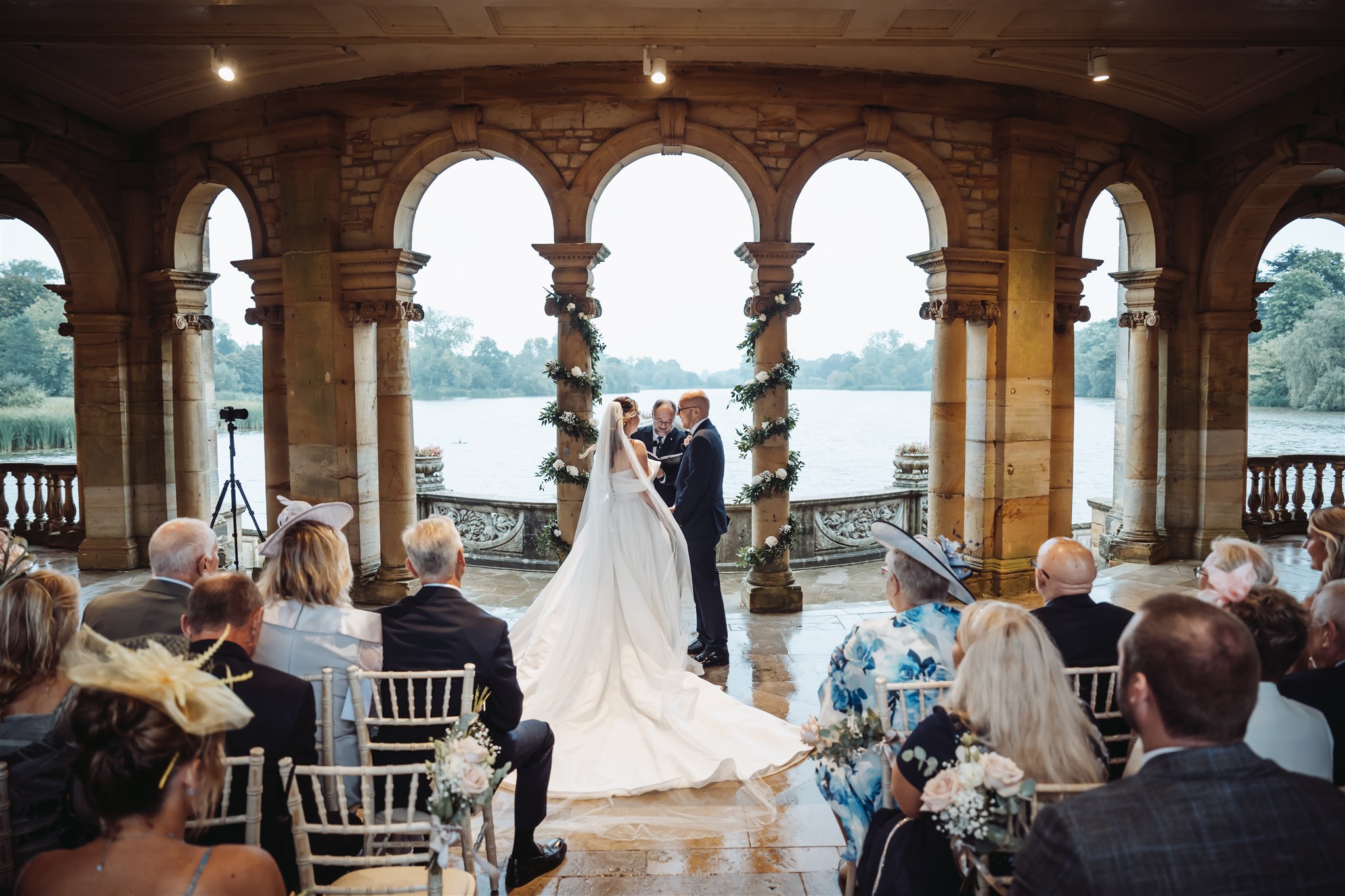
A wedding photography shot list should never make your day feel like a production schedule. At its best, it is a quiet piece of preparation: a way to protect the people, details and fleeting moments that matter most, while leaving space for the unscripted beauty you cannot plan.
The most memorable wedding photographs are rarely the result of ticking boxes. They come from the squeeze of a hand before the ceremony, your father seeing you ready for the first time, the way your guests fill a candlelit room with laughter. A thoughtful list gives those moments a place, without asking you to perform them.
Why a wedding photography shot list is worth creating
Even the most relaxed, editorially minded wedding day has a rhythm. There are family members who need to be photographed before they disappear into conversation, heirlooms that deserve a considered frame, and parts of the celebration you may be too immersed to witness fully.
A shot list is particularly valuable for formal family photographs. Names, relationships and any sensitive family dynamics are difficult to guess correctly in the moment, however experienced your photographer may be. Sharing them in advance means group portraits can be calm, efficient and handled with care.
The key is proportion. A long, rigid list can pull you away from your guests and turn luminous moments into a series of instructions. A concise, personal guide allows your photographer to work instinctively, capturing the atmosphere of the day as it unfolds while making sure the essentials are held beautifully.
The wedding photography shot list that feels like you
Begin with the things that hold emotional weight, not simply the images you have seen online. Perhaps it is your grandmother fastening your veil, the handwritten words inside a card, or the friends who have travelled across the world to be there. These are the details that make photographs feel personal decades later.
The quiet beginning
The morning deserves more than a record of hair and make-up. It is where anticipation lives: silk dresses hanging in soft window light, cufflinks on a bedside table, champagne poured for close friends, and the moment the room falls quiet before you leave.
Consider noting any meaningful details you would love documented, such as jewellery passed down through your family, perfume, stationery, shoes, florals or your partner’s watch. If styling details is important to you, have these pieces gathered in one place when your photographer arrives. It creates time for thoughtful, art-directed images without interrupting the natural pace of the morning.
Just as importantly, think about people. If you would like a portrait with your mother, a first look with your bridesmaids, or a few calm moments with your father or chosen parent figure, say so. These are not manufactured moments. They are small invitations to pause and be present.
The ceremony, as it truly felt
During the ceremony, the most powerful frames often sit at the edges of the obvious. The glance between you before the doors open. A nervous smile from a sibling. The changing light across an old church or a sunlit garden ceremony. Guests wiping away tears when they think nobody is looking.
There is little need to request every individual ceremony moment. Your photographer will anticipate the entrance, vows, rings, kiss, confetti and recessional. What is useful is sharing anything distinctive: a cultural tradition, a reader who is especially meaningful, a private ritual, or a surprise planned during the service.
If you are exchanging personal letters or gifts before the ceremony, decide whether you would like that documented together, separately, or kept entirely private. There is no single right answer. The best choice is the one that lets you experience the moment honestly.
Family photographs without the endless queue
Family portraits are often the one part of a wedding photography shot list that benefits from precision. Keep the combinations intentional and manageable. Around six to ten groupings is usually enough for most weddings, depending on family size and the format of the day.
Rather than writing broad instructions such as “all family”, list first names and relationships. For example: “Sophie and James with Sophie’s mum, Helen; dad, Mark; and brother, Tom.” It avoids uncertainty and helps the photographer call each group together with warmth and confidence.
Choose a person from each side of the family who knows everyone and is happy to gather people. This simple role saves valuable time, especially at a large country house wedding or when guests have drifted outside for drinks. Aim to have formal portraits complete shortly after the ceremony, then return to your celebration.
Be thoughtful about the dynamics, too. If parents are divorced, if relationships are new, or if there is a person who must not be placed in the same photograph as another, a discreet note beforehand is a kindness. It allows everything to be handled gracefully, without awkwardness on the day.
Portraits with room to breathe
Your couple portraits are not a break from the wedding. They are a chance to step away together and let the day land. The finest images are rarely about elaborate posing; they are about movement, connection, exquisite light and the particular energy between the two of you.
Build in two brief portrait windows rather than one long session. A little time after the ceremony can give you photographs full of exhilaration, while ten quiet minutes near sunset offer a more intimate, cinematic mood. In winter, the light fades earlier, so your timeline may need to shift. In high summer, waiting until later can be worth it for softer, more flattering light.
Tell your photographer if there is a particular part of the venue that matters to you, whether that is the sweeping drive, the walled garden, a grand staircase or a view you fell in love with when you first visited. Then allow their eye to lead. A beautiful setting is only one part of the image; the feeling between you is what gives it soul.
Details, atmosphere and the celebration beyond the plan
Once guests are seated for dinner, the room becomes its own story. The flowers, menus, linen, candlelight and considered place settings are the visual language of your celebration. If you have invested in a stylist, florist, stationer or tablescape, allow time for your photographer to capture the space before guests enter.
After that, the day belongs to the atmosphere. Speeches bring reactions you could never stage. The first dance evolves quickly from a polished moment into a crowded floor full of joy. Late-night embraces, loosened bow ties, bare feet and stolen conversations are often the photographs that feel most alive when you look back.
You may wish to highlight a few planned moments: a champagne tower, surprise entertainment, fireworks, an outfit change, a cake cutting or a final confetti exit. Mention them in your list, but avoid treating them as the only moments worth photographing. Some of the most soulful images happen between the scheduled events.
What not to put on your list
Try not to send a gallery of dozens of copied poses or an exhaustive catalogue of images from other weddings. Reference images can be useful for showing what you are drawn to – perhaps editorial portraits, softly blurred film frames or joyful, candid dance-floor photographs – but they should communicate a feeling rather than dictate a recreation.
Your wedding has its own light, architecture, weather, guests and emotional texture. A skilled photographer will respond to those elements rather than forcing your day to resemble somebody else’s. Trust is part of the luxury experience: you have chosen an artist for their perspective, not just their ability to replicate a frame.
It is also wise to release the pressure to document every guest individually. At an intimate wedding, this may happen naturally. At a larger celebration, it may not, and that is perfectly all right. The aim is a rich, truthful record of the room, not a roll call.
A simple way to share your priorities
Send your photographer your family groupings, key names and any non-negotiable moments around two to four weeks before the wedding, once the final guest list and timeline are settled. Keep the document short enough to be genuinely useful. Alongside it, add a few sentences about what you value most: perhaps relaxed guest moments, editorial couple portraits, the energy of the dance floor, or tender photographs of your family.
At Teri V Photography, this conversation is part of shaping coverage around the way you want your wedding to feel, not merely the way it will look. The most considered preparation creates freedom on the day: freedom to linger at the drinks reception, hold each other close during the speeches, and forget the camera is there.
Leave room in your wedding photography shot list for the unexpected. Years from now, it may be the photograph you never knew to request that brings the whole day back to you.
+ view the comments